REFA member David Otto on adapting to survive, standing up to opposition and why no landowner should have to navigate renewable energy alone
The Otto ranch in Wyoming has been in the family since 1908, when David’s great-grandfather first homesteaded the land. Four generations have kept it running through droughts, the Depression, land losses, a cabin fire and the everyday grind of making a living from the land. David’s grandfather came home from a German POW camp and went right back to ranching. His father never lived anywhere else.
David followed the same path. He earned a master’s degree in agronomy, came home and today runs about 130 head of cattle on 6,500 acres. He and his wife both commute long distances for off-ranch jobs to make the numbers work. It’s a familiar story to a lot of multi-generation operations: deep roots, thin margins and a willingness to do whatever it takes to hold on.
“I am proud to be the fourth generation on this ranch — something increasingly rare — and our survival has depended on adapting,” David explained.
Closing the Chapter on Oil
Like many Western ranches, the Otto operation had supplemented its cattle income with oil lease revenue for decades, ever since the farm was founded in 1908. So when the last oil lease expired in 2020, right in the middle of a severe drought, the financial picture turned serious fast.
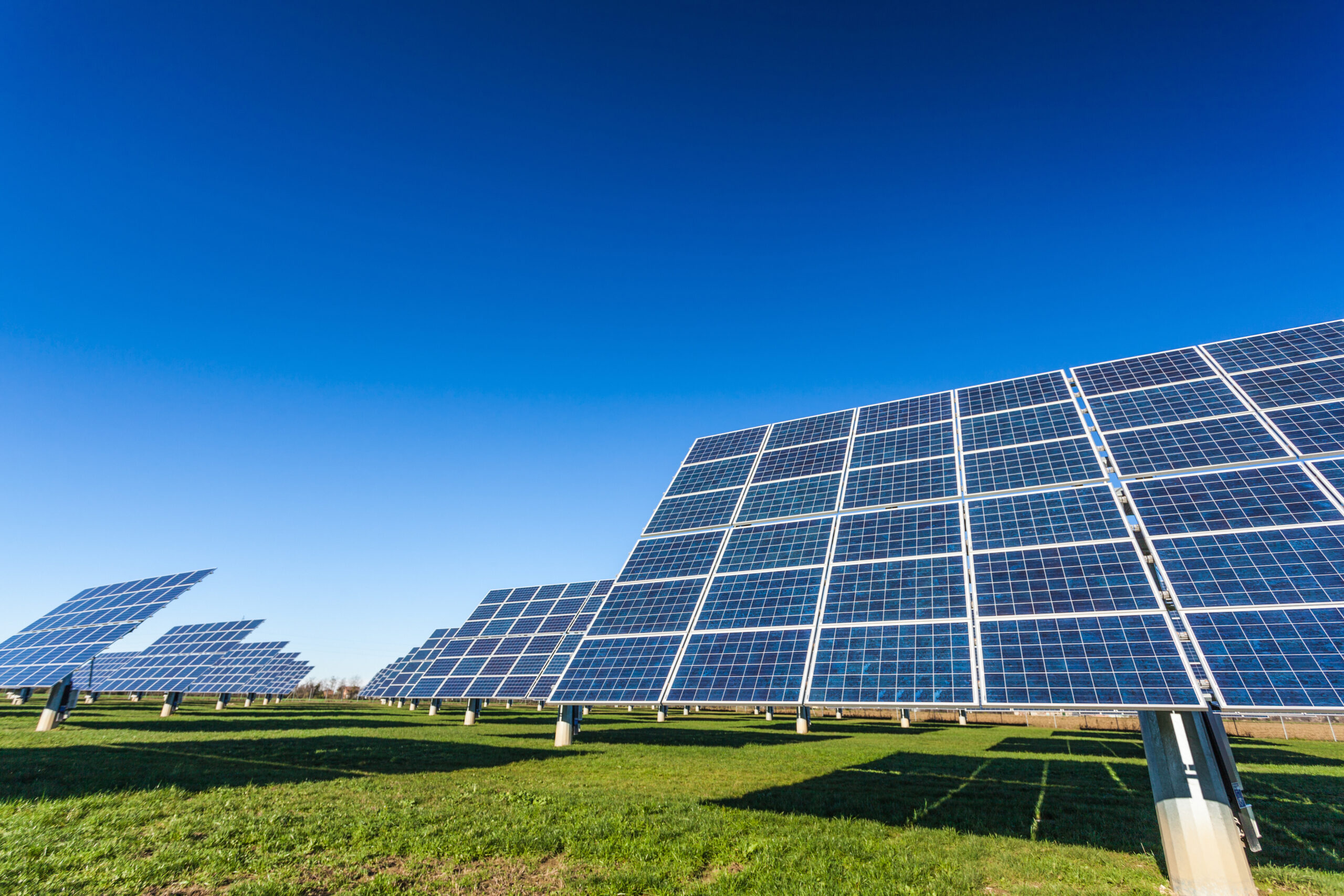
David started researching solar leasing in 2021, well before most landowners in his area had heard of it as an option. He signed his first lease that year, then two more with different companies. Paired with enrolling the majority of the ranch in the Grassland Conservation Reserve Program (CRP), the solar income completely changed the trajectory of the operation. It turned them from near insolvency to becoming almost debt-free.
Navigating a Rocky Path to Solar
The financial results speak for themselves, but getting there wasn’t easy. One of David’s lease negotiations dragged on for years because of a dishonest landman who tried to extract commissions from every party involved and repeatedly threatened lawsuits, even during a period when David’s mother was in cancer treatment. It took a good attorney and $25,000 in legal fees to resolve.
On top of that, the project drew organized community opposition, not from adjacent neighbors, but from people who couldn’t even see the development from their property. The campaign against the Ottos’ farm included false claims filed with state agencies, misleading signage and fabricated public hearings. Much of it, David says, was rooted in the community’s failure to understand that solar leases function a lot like the oil leases that have been part of rural life in the region for over a century.
The irony isn’t lost on him. The county has lost major employers, local budgets are strained and infrastructure is underfunded. Yet, projects like solar leasing that could bring stable revenue to landowners and tax revenue to local governments still face fierce resistance.
The Benefits of Organized, Credible Support
Through the legal fights, the public hearings and the community backlash, David and his family were largely on their own. They showed up to public meetings and spoke in support of their own project without backup from the development companies involved. The toll has been personal: strained friendships, social isolation and years of stress.
That experience is exactly why David sees value in what REFA offers. The nonlegal lease review service, peer connections and advocacy support offered by the organization are all the things he had to piece together by himself, or go without entirely.
“Organizations like REFA are critically important,” he said.
Over time, David came to realize that the loudest voices weren’t the majority. Plenty of people in his community quietly supported his decision. But having organized, credible support from the start would have made a meaningful difference.
One Rancher’s Honest Advice
David doesn’t sugarcoat any of it. Renewable energy leasing can be stressful, politically charged and emotionally draining. But when the alternative is losing land that your family has worked for more than a hundred years, the math gets simple.
“I would encourage any farmer or rancher struggling to consider wind or solar leasing. It is not easy, and it can be emotionally difficult, but even if a project is never built, the lease income can make the difference between losing a multi-generation operation and keeping it alive.”
“There is little middle ground — landowners are often cast as either heroes or villains — but for us, these leases ensured the survival of a ranch that has endured for more than a century.”
No landowner should have to navigate renewable energy alone. Become a REFA member to get the expert guidance, peer connections and advocacy support that can make all the difference.