An Overview for Ranchers and Landowners
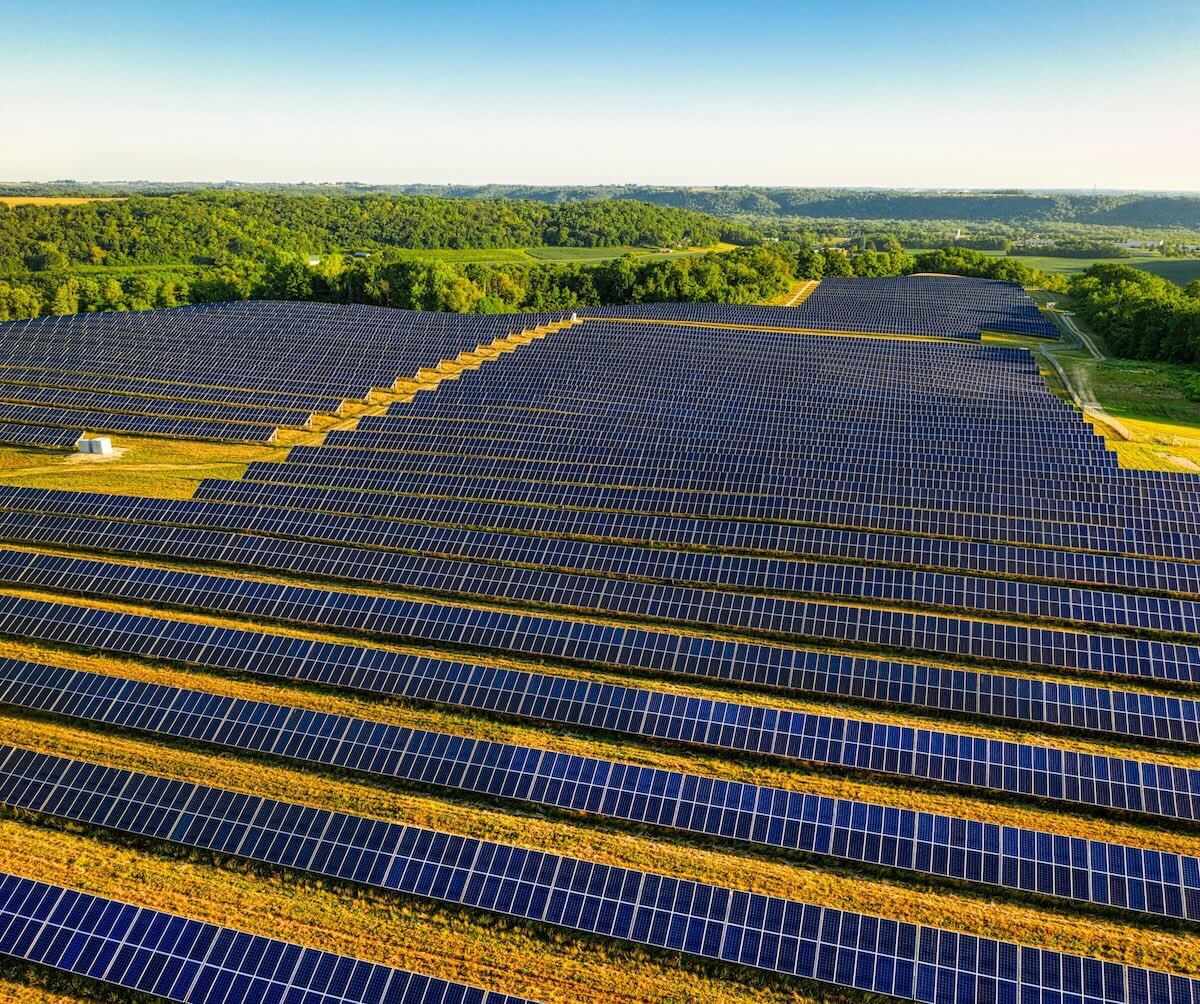
Cattle ranchers across the United States face ongoing economic pressure. Market prices change often, input costs continue to rise and access to affordable grazing land is becoming more limited. At the same time, solar development is expanding in many rural areas, raising questions about how land can remain productive while hosting energy infrastructure.
One emerging approach being studied is cattlevoltaics — the practice of grazing beef or dairy cattle on land that also hosts solar panels. While still uncommon, early research suggests this approach may offer practical considerations for landowners and ranchers.
How Cattlevoltaics Fits Within Agrivoltaics
The U.S. Department of Energy defines agrivoltaics as agricultural production, such as crops, livestock or pollinator habitat, located underneath or next to solar panels.
Most agrivoltaic livestock projects in the United States involve sheep. As of 2024, more than 113,000 sheep were grazing at over 500 solar sites nationwide. In comparison, only eight documented projects involved cattle grazing, while 237 sites used sheep.
This difference is mostly due to physical needs. Sheep can graze under solar panels mounted two to four feet above the ground. Cattle usually need panels that are set higher and built more strongly. Because of this, sheep grazing has been easier to adopt at solar sites so far.
Why Cattlevoltaics Is Being Studied
The U.S. beef industry generated about $112 billion in cattle and calf sales in 2024, but many cattle operations continue to face tight margins. Prices can change quickly, while costs often rise faster than income.
Several factors contribute to this pressure:
- Volatile market prices: Cattle prices can shift due to feed costs, drought, disease outbreaks and changes in demand. During downturns, many ranchers operate at or near break-even levels.
- Rising input costs: Expenses for land, feed, fuel, veterinary care and labor have increased over time, while prices paid to producers have not always kept pace.
- Land access challenges: Ranchers who need to lease additional grazing land face higher costs as competition from development and other land uses increases.
- Heat stress: Heat stress reduces cattle productivity and costs the U.S. livestock industry an estimated $1.69 to $2.36 billion each year, with dairy operations alone losing more than $900 million annually.
Because of these challenges, researchers and landowners are studying cattlevoltaics as one possible way to support existing cattle operations while keeping land in use.
What Research Shows About Cattle and Shade
Research has found that access to shade can help reduce heat stress in cattle during hot weather. A University of Minnesota study observed that cattle with shade:
- Maintained lower body temperatures
- Breathed more slowly during peak heat
- Spent more time resting and ruminating
Other studies have reported similar results, including lower skin temperatures and changes in animal behavior under shaded conditions. Given the high cost of heat stress across the livestock industry, these findings suggest that shade provided by solar panels may help reduce productivity losses during extreme heat events.
Infrastructure Considerations for Cattle Grazing
Grazing cattle on solar sites requires different infrastructure than grazing smaller livestock like sheep. Cattle can weigh between 1,400 and 2,000 pounds, which means solar equipment must be designed to handle their size and movement.
Research and pilot projects have identified several common design needs:
- Higher panel clearance: Solar panels are typically mounted 7 to 12 feet above the ground to allow cattle to move safely underneath.
- Stronger structures: Heavier materials are used to reduce the risk of damage from rubbing or contact.
- Appropriate fencing: Solar sites must include fencing that is suitable for livestock containment.
- Water access: Cattle require reliable water sources, often 10 to 20 gallons per animal per day.
Long-term research at the University of Minnesota has found that when solar systems are designed with these factors in mind, damage to equipment has not been a recurring issue.
Impacts on Grazing Land and Vegetation Management
Research has also examined how cattle grazing affects land under and around solar panels. Studies of grazed solar sites have found improvements in soil condition compared to sites managed only through mowing.
Documented benefits include:
- Higher levels of soil organic matter
- Improved soil structure
- More balanced soil pH levels
As cattle graze, manure naturally returns nutrients to the soil, while hoof action helps work organic material into the ground. Over time, this can support healthier pasture conditions.
From a solar operations standpoint, managed grazing can reduce the need for mechanical mowing and herbicide use. It also provides regular site activity, as ranchers routinely check livestock.
An Emerging Practice
Cattlevoltaics remains an early-stage practice in the U.S. Most existing projects are research-focused or pilot installations, and cattle grazing is still far less common than sheep grazing at solar sites.
Even so, ongoing research shows that cattle and solar infrastructure can coexist when systems are designed with livestock needs in mind. As solar development continues in agricultural regions, cattlevoltaics is one option being studied to help keep land in use while supporting existing ranching operations.
REFA works to ensure landowners have access to clear, fact-based information when considering land use decisions. Learn more about how agricultural production and energy development can coexist — and hear directly from landowners navigating these choices — on REFA’s Landowner Stories page.
Additional Resource
REFA Executive Director Jeff Risley discusses cattle grazing at solar sites in an interview with Feedstuffs, focusing on how landowners can keep land in production while evaluating new land uses.