Explore the basics of solar energy and agrivoltaics
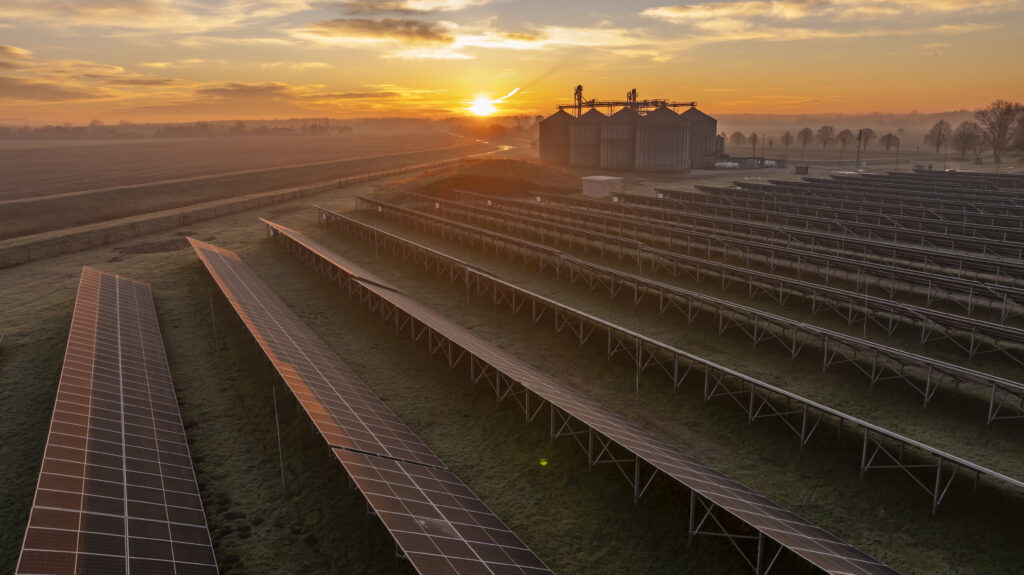
Large-scale solar farms, also known as utility-scale solar projects, are becoming a common sight across rural America. These installations produce energy from sunlight and help stabilize prices while supporting the national energy grid.
For farmers and ranchers, solar can offer more than just an additional income source. A growing practice called agrivoltaics allows solar panels to coexist with crops or livestock on the same land. This innovative approach blends energy generation with agriculture, helping farmers and ranchers make the most of their property without giving up its productivity.
Solar Farms and Agriculture
Large-scale solar projects involve an extensive installation of photovoltaic (PV) panels across hundreds to thousands of acres of generally open, flat land in rural areas with good sun exposure. The electricity generated flows into the power grid and is intended to serve corporate buyers and/or regional energy needs over the long term.
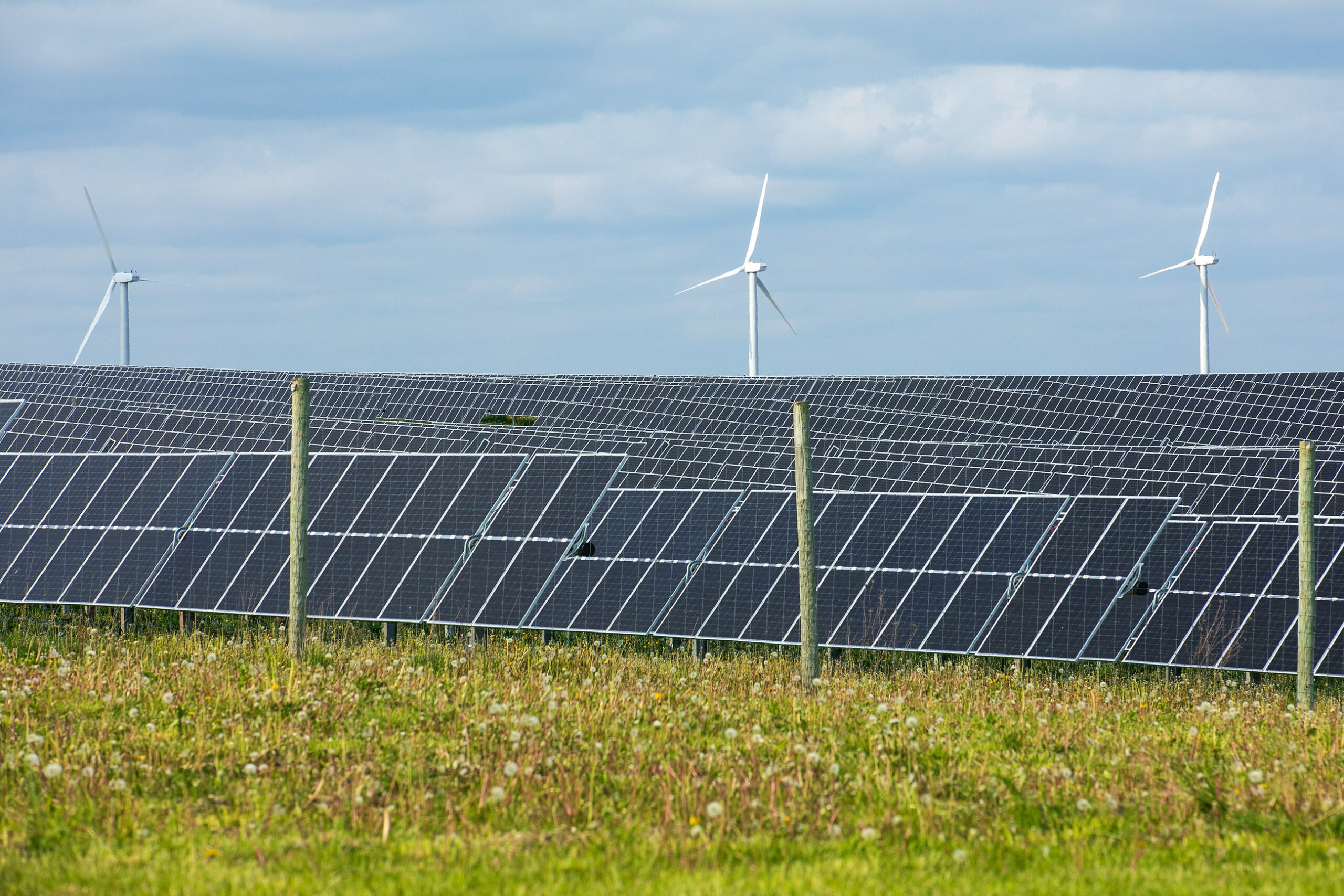
With agrivoltaics systems, solar panels are installed in ways that allow for continued agricultural activity. This might include raising the panels to allow crops to grow or livestock to graze underneath, or arranging panels in rows with sufficient spacing to allow for farming activities between them. In many regions, farmers use sheep to help manage vegetation. This lowers maintenance costs and provides an added source of income.
Benefits of Solar Energy for Farms
Solar projects bring value not only to landowners but also to nearby communities and the surrounding landscape. Here are some key benefits to large-scale solar farms:
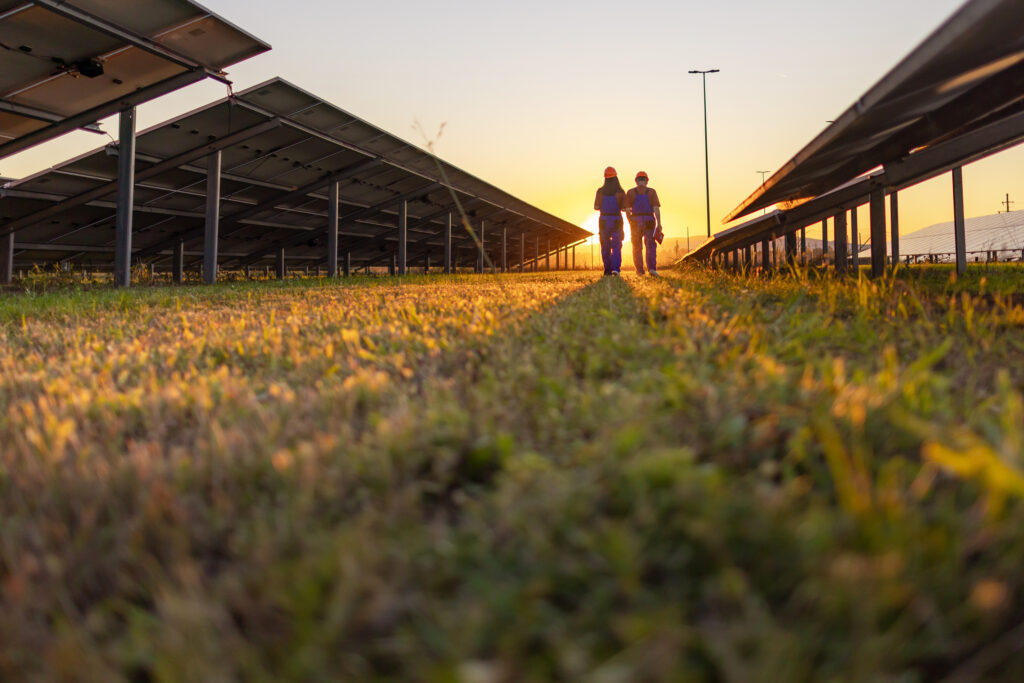
- Job creation: Large-scale solar farms help create new jobs in rural communities.
- Economic impact: Millions of dollars in local tax revenue from solar farms support schools, roads, fire departments and other community services.
- Ecological benefits: Agrivoltaics can support biodiversity by maintaining pollinator habitats and healthy ecosystems while producing solar energy on farmland.
Significant Growth for Solar
The number of solar farms in the U.S. is expected to increase in the coming years. The Energy Information Administration expects national solar capacity to reach 153 gigawatts by the end of 2025 and 182 gigawatts in 2026, helping to meet the future energy demand in the U.S.
Research and demonstration projects, like the U.S. Department of Energy’s FARMS program, are paving the way. This program offers decision-support tools, training and guidelines that make it easier for landowners to explore agrivoltaics and solar panel farming.
The Role of REFA
The Renewable Energy Farmers of America (REFA) offers personal, peer-to-peer interactions to help farmers and ranchers navigate solar opportunities. REFA was created to bring landowners together. Through the REFA Digital Farmer Network, members can ask questions, share experiences and support each other in hosting solar or other renewable energy projects.
In addition to peer support, REFA provides:
- A connection to professional advisors who can assist with lease reviews, business-operation questions, and legacy planning.
- Access to educational tools and resources, including webinars, case studies, guides and one-on-one staff support.
- A voice in policy conversations to ensure landowner rights are respected at the local, state and national levels.
REFA exists to help you make informed decisions that protect your land, your operation and your family’s future. Interested in becoming a member? Find out how to join a community of like-minded farmers and ranchers interested in solar energy for agriculture here.