Practical guidance for landowners navigating community relationships before and after signing a lease
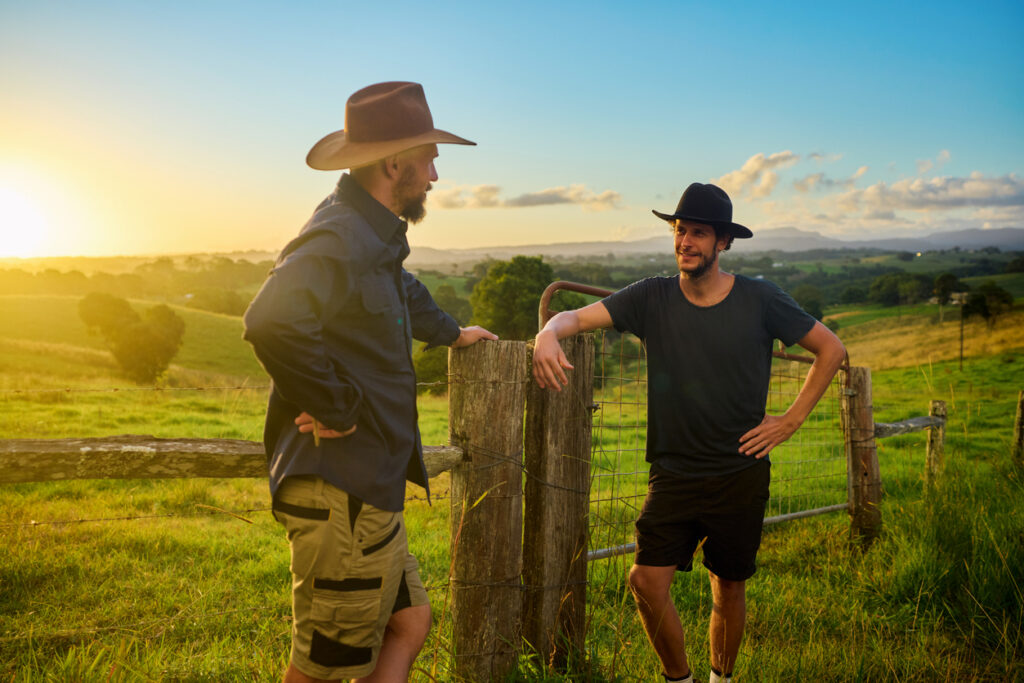
Rural communities run on relationships. The neighbor who helps pull your truck out of the ditch. The family that has farmed the next section over for three generations. The folks you see at the co-op, church or county fair.
When you make a decision to host a renewable energy project on your land, those relationships do not disappear. But they can get complicated.
Whether you are considering a solar or wind lease or have already signed one, you may be wondering how to talk to your neighbors about it. Some may be curious. Some may be supportive. Some may have real concerns. And in some communities, organized opposition groups are actively spreading misinformation and making these conversations harder.
This is about how to navigate tough conversations while still being a good neighbor and protecting your right to make decisions about your land.
Two Rights That Deserve Respect
You have the right to make decisions about your property. That principle matters to a lot of rural communities. Farmers and ranchers have been making land-use decisions for generations, from what crops to plant to whether to lease mineral rights. Hosting a renewable energy project is a business decision about how to use your land.
Your neighbors also have rights. They have the right to ask questions, express concerns and participate in public processes like zoning hearings. They have the right to disagree with your decision.
Those rights do not have to be in conflict. Landowners can make decisions about their property while still being considerate neighbors, and neighbors can ask questions without trying to take that choice away.
The tension comes when either side stops listening. When landowners dismiss all concerns as ignorance. Or when neighbors treat any energy project as an attack on their way of life.
Most people in rural communities care about many of the same things: the land, their family and seeing their rural communities thrive. Most farmers and ranchers, whether they host a project or not, share these values.
Why Neighbors React the Way They Do
Understanding what drives neighbor reactions can help you respond more thoughtfully.
A lot of opposition starts when people feel caught off guard or left out of the conversation. People want to feel informed and respected. When they feel blindsided or excluded, opposition hardens, regardless of the project’s actual merits.
One study on solar energy deployment found that roughly 90 percent of community members were unaware a solar project had been proposed until construction began. When people first learn about a project from a construction crew showing up, they understandably feel left out of decisions that affect their community.
The same research found something important: where there is more engagement, attitudes of both supporters and opponents are more positive. Even when people do not end up agreeing, honest communication usually helps.
Neighbors may also be responding to concerns that feel very real to them:
- Visual change: A solar array and wind turbines change what they see from their property
- Construction disruption: Truck traffic, noise and dust during the build-out period
- Property values: Worry that nearby development will hurt their home’s value
- Community character: A sense that their rural landscape is changing
- Misinformation: False claims about health risks, toxic materials or environmental damage
Some of these concerns deserve serious engagement. Others are based on inaccurate information that can be addressed with facts.
Not Every Conversation Is the Same
There is an important difference between a neighbor with genuine questions and someone pushing an organized opposition agenda.
A concerned neighbor might say, “I am worried about what this will look like from my porch,” or “Will there be a lot of truck traffic on our road?” or “I read something online about solar panels being toxic. Is that true?”
These are good-faith questions. They deserve respectful answers. Even if you disagree on the underlying issue, this neighbor is engaging as a member of your community.
Organized opposition often looks like:
- Repeated confrontations at public meetings designed to intimidate
- Social media attacks that misrepresent facts or make personal accusations
- Flyers or websites spreading debunked claims about health risks, property values or environmental damage
- Attempts to pressure county officials with threats or harassment
- Treating any landowner who signs a lease as a traitor to the community
You do not owe the same engagement to both. A concerned neighbor deserves your time and honest conversation. An organized campaign of harassment deserves boundaries.
If someone is spreading misinformation, you can offer to share credible sources once. If they continue to push false claims, you are not obligated to keep engaging. If harassment escalates to threats or property damage, document everything and involve law enforcement if necessary.
Starting the Conversation
For neighbors with genuine concerns, how you start the conversation matters as much as what you say.
Lead with listening. When a neighbor brings up concerns, resist the urge to immediately defend your decision. Ask questions first:
“What worries you most about this?”
“Is your concern mainly about the view, the construction or something else?”
“What have you heard about these projects?”
Listening does not mean you have to agree. It just shows respect for their perspective before sharing yours.
Acknowledge concerns before addressing them. People are more receptive to information after they feel heard. You might say, “I understand why the view matters to you. Your family has looked at that horizon for decades. That is a real concern.”
Keep your explanation simple. Explain why you made this decision in simple terms.
“We needed reliable income to keep the farm going.”
“This helps us pay down debt and keep the land in the family.”
“The lease income lets us invest in other parts of the operation.”
You do not need to convince them that renewable energy is good. You just need to explain that this was a thoughtful business decision for your family.
Addressing Common Concerns with Facts
When neighbors raise specific concerns, having accurate information helps. Here are responses to common questions:
“Will this hurt my property value?”
Research on this question is reassuring. A study analyzing more than 1.8 million home sales across six states found that homes within half a mile of a utility-scale solar project sold for about 1.5 percent less than homes two to four miles away. That difference is smaller than many of the factors that already affect home values, like school districts or proximity to a busy road.
“Are solar panels toxic?”
Modern solar panels are made primarily of glass (about 75 to 80 percent), aluminum frames and silicon cells. These materials are stable and do not leach into soil or groundwater during normal operation. Panels undergo rigorous testing to ensure they meet environmental safety standards.
“What happens when the project is done?”
Legitimate lease agreements include decommissioning requirements. The project operator is typically required to remove all equipment, restore the land and often post a bond or other financial assurance to guarantee this happens. Ask your developer about the specific decommissioning terms in your agreement.
“I heard these projects harm wildlife.”
Like any kind of land use, renewable energy projects can have environmental impacts. However, well-sited projects on previously farmed or grazed land typically have limited effects on wildlife. Many projects incorporate pollinator habitat, native vegetation and other features that can improve ecological conditions compared to conventional row crops.
When sharing information, use neutral sources rather than developer marketing materials. University extension offices, the National Lab of the Rockies and state energy agencies provide credible, research-based information.
Good-Neighbor Actions You Can Take
You have more influence with the developer than your neighbors do. That influence can go a long way in addressing reasonable concerns.
Visual impacts: Ask about screening options. Additional trees or shrubs along property lines, fencing colors that blend with the landscape or equipment placement that minimizes visibility from neighboring homes can make a real difference.
Construction impacts: Work with the project team on traffic routes, construction hours and dust control. If trucks are going to use a shared road, make sure the developer understands the impact and has a plan to maintain or repair it.
Shared infrastructure: If drainage tiles, culverts or access roads affect your neighbors, raise these issues with the developer. Asking the project to address shared concerns shows you are looking out for the neighborhood, not just yourself.
Communication: Offer to share the project’s community contact information with neighbors. Give them a direct line for complaints about noise, debris or other issues so problems can be addressed quickly.
Let neighbors know when you have raised their concerns: “I asked the project manager about adding screening along your side of the property. I cannot promise what they will do, but I wanted you to know I brought it up.”
Maintaining Community Relationships
The project will be part of your landscape for decades. Your relationships with neighbors will outlast the construction phase.
Keep showing up. Stay involved in community life: the co-op, church, school events, local organizations. Do not let the project become the only thing people associate with you.
Try to keep the relationship separate from the disagreement. You can say, “We see this differently, but I do not want that to get in the way of being good neighbors.” Continue the small courtesies, checking in during storms, sharing equipment, helping when help is needed.
Avoid retaliation. If someone criticizes you publicly, resist the urge to respond in kind. Rural communities have long memories. How you handle conflict now will shape your reputation for years.
Set boundaries when needed. You do not have to attend every public meeting or respond to every social media comment. If a conversation becomes circular, it is okay to say, “We have been over this a few times. I do not think we will agree, but I am still committed to being a good neighbor.”
When to Step Back
Not every conversation is productive. Some situations call for boundaries rather than engagement.
Circular arguments: If someone keeps raising the same points no matter what information you provide, continuing to engage rarely helps. Acknowledge the disagreement and move on.
Public forums: Public meetings and social media rarely lead to productive conversations. Keep remarks short, focus on your story and your rights and avoid personal attacks. One-on-one conversations are almost always more effective.
Harassment: If opposition crosses into threats, property damage or sustained personal attacks, document everything and consider involving authorities. You are not obligated to engage with people who are trying to intimidate you.
Why Communication Matters
A National Academy of Sciences synthesis on community acceptance of energy projects identified three core lessons:
- Communities value being consulted regardless of outcome
- Accessible and inclusive processes increase the likelihood that decisions will be viewed as acceptable
- Establishing trust can reduce the total time required to achieve project acceptance
This research was written for developers and policymakers, but it applies to landowners too. How you communicate with neighbors, whether you listen to concerns and whether you show respect for their perspective shapes how they perceive your project.
One study even found that offering community benefits without fair process can backfire. When trust is lacking, offers of compensation are sometimes perceived as bribes rather than genuine gestures. Process matters as much as outcomes.
What Landowners Should Remember
- Your land, your decision. Property rights are foundational. You do not need permission from neighbors to make legal decisions about your land.
- Good neighbors explain their choices. Sharing your reasons (without trying to convert anyone) shows respect and builds trust.
- Listening comes before educating. People are more receptive to information after they feel heard.
- Distinguish between concerned neighbors and organized opposition. The first deserves engagement; the second deserves boundaries.
- Use your influence with the developer. You can advocate for screening, traffic mitigation and other measures that address neighborhood concerns.
- Play the long game. The project will last decades, so will your community relationships. How you handle these shapes both.
Connect with Other Landowners
You are not alone in navigating these conversations. REFA connects farmers and ranchers who host renewable energy projects, providing peer-to-peer support from people who have been through similar situations.
Our webinars feature landowners sharing their experiences, including how they handled neighbor relationships. Our member community offers a place to ask questions, share challenges and learn from others who understand what you are facing.
Learn more about REFA membership and connect with landowners across the country who are making renewable energy work for their operations.