
What landowners need to know about the two legal instruments behind every wind and solar deal
A lease offer arrives in the mail. The packet is thick. The language is dense. Somewhere in that stack of paper, a developer is asking for rights to your land for the next several decades.
Before signing anything, it helps to understand what you are being asked to give up and what you get to keep.
Every wind and solar project depends on two distinct legal instruments: ground leases and easements. They sound similar but work differently. Knowing the distinction can shape how you approach negotiations and what protections you ask for.
Let’s break it down.
The Basic Distinction
A ground lease grants a developer possession and use of your land for a defined period. You keep the title, but you temporarily give up control of the leased area. The developer can build on it, occupy it, and use it as if it were their own, subject to whatever terms you negotiate.
An easement grants a specific, limited right to use land for a defined purpose without giving up possession. You keep full title and can continue using your property in a lawful way, but can generally continue using your property as long as it doesn’t block the easement. . The easement holder can only do what the document specifically allows.
Here’s the difference in a nutshell: With a lease, the developer controls the ground. With an easement, you keep control of the ground, but they get specific rights to it.
What a Ground Lease Covers
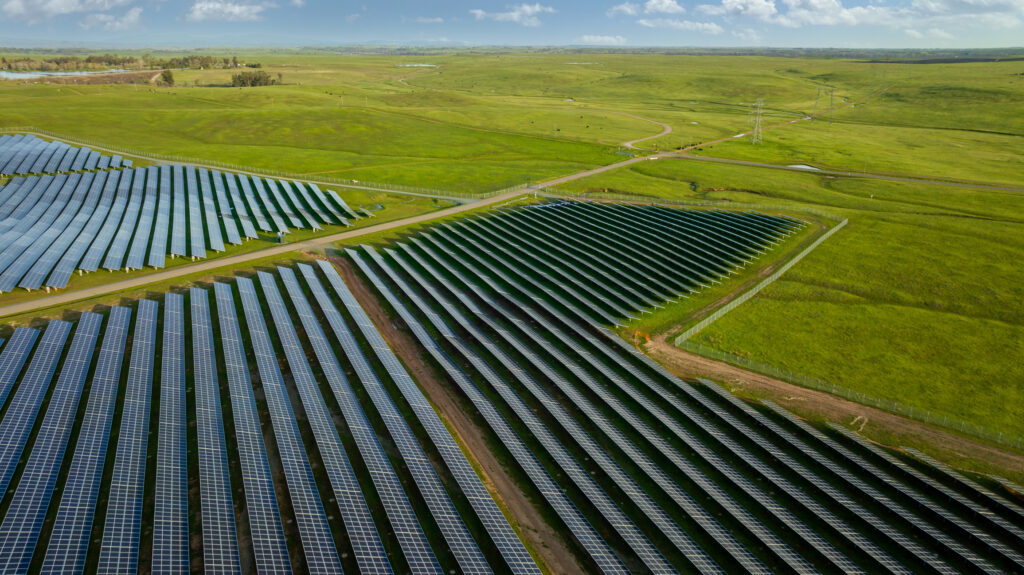
Ground leases are used where the developer needs possession to build and operate the project. The leased area typically extends beyond just the panels or turbines to include:
- Access roads
- Fences and security features
- Inverter pads and substations
- Laydown areas for construction
- Setback buffers and stormwater features
By default, the developer holds exclusive control of the leased premises. You may not farm, graze, hunt, or otherwise use those acres without developer consent, unless specific uses are carved out in the agreement.
Lease terms typically include a development period of three to seven years during permitting and financing, followed by an operating term of 25 to 35 years, plus renewal options. All told, the total encumbrance on a property commonly reaches 50 years or longer from the date of signing.
That is a long commitment. It deserves careful review.
What Easements Cover
Easements are used where the developer needs a specific, limited right but not possession. In renewable energy projects, several types are common:
Access and road easements allow the developer to cross parcels the project does not lease, typically to connect the site to a public road.
Transmission and collector line easements allow underground or overhead electrical lines to cross third-party parcels connecting the project to the grid. These corridors typically feature permanent easements of 50 feet, with construction rights-of-way of 75 to 100 feet.
Wind and shadow easements restrict neighboring landowners from building structures or growing vegetation that would interfere with wind flow to turbines. Shadow flicker occurs when rotating turbine blades cast moving shadows on nearby structures.
Drainage and stormwater easements allow stormwater generated within the project footprint to flow across or be managed on neighboring parcels.
Unlike a lease, an easement holder cannot exclude you from your land. They can only exercise the specific right the document describes. Landowners retain all rights not explicitly granted away.
How They Work Together
A single renewable energy project typically requires both instruments, matched to their respective functions across multiple parcels.
The ground lease covers the core project footprint where panels or turbines will sit. Easements handle the surrounding infrastructure: the roads , transmission lines , and the restrictions on adjacent parcels that protect project operations.
The two instruments are legally distinct and serve different roles. Together, they form the complete arrangement of rights that makes a project possible.
What They Have in Common
Despite their differences, leases and easements share several important characteristics:
Both are recorded on title and appear in title searches as encumbrances on the property.
Both transfer with the land, binding any future owner. If you sell your farm, the new owner takes it subject to those terms. Regardless of who originally signed the agreement. If you sell your property, the new owner takes it subject to existing lease and easement terms.
Both are defined by their written terms. The document language determines exactly what rights are granted and what the landowner retains. What is not written down is not promised.
Both can affect your ability to sell, refinance, or transfer the property. Lenders and buyers will see the encumbrance in the title search.
Both may require lender consent if the property carries an existing mortgage.
Questions to Ask Before Signing
Whether you are reviewing a lease or an easement, the same principle applies: the document’s language controls. Here are questions worth asking:
- What specific rights am I granting, and what do I retain?
- Can I continue farming, grazing, or hunting on the affected areas?
- What is the total duration, including development periods and renewal options?
- What happens if the project is never built or is decommissioned early?
- Who is responsible for restoring the land when the project ends?
- How does this affect my ability to sell or refinance the property?
- Does my lender need to consent, and what does that involve?
These are not confrontational questions. This is doing your homework before a multi-decade commitment.
Making an Informed Decision
Renewable energy agreements are long-term commitments that affect your land, your livelihood, and your legacy. Understanding the difference between a lease and an easement is the first step toward negotiating terms that work for your operation.
REFA provides members with educational resources and peer connections to help landowners approach these decisions with confidence. If you have received an offer and want to understand your options, membership gives you access to people who have been through this process and can share what they learned.