Uncovering answers for landowners
REFA was created by landowners, for landowners, several of which have already been through the renewable energy development leasing process. Here are some commonly asked questions we’ve heard about wind energy projects from people just like you.
Q: How does wind power work?
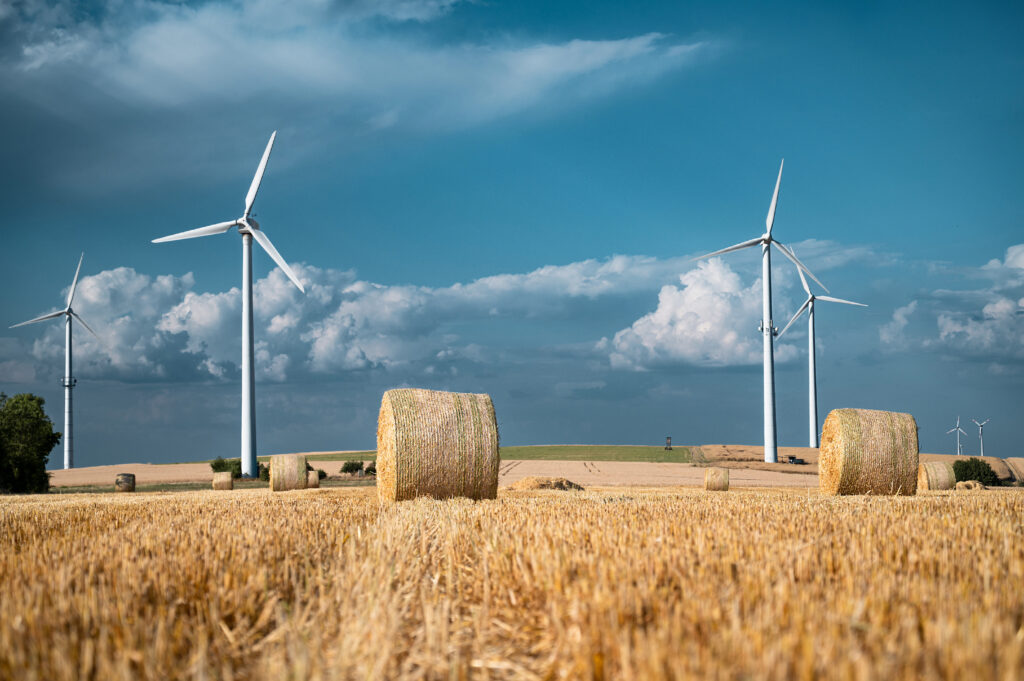
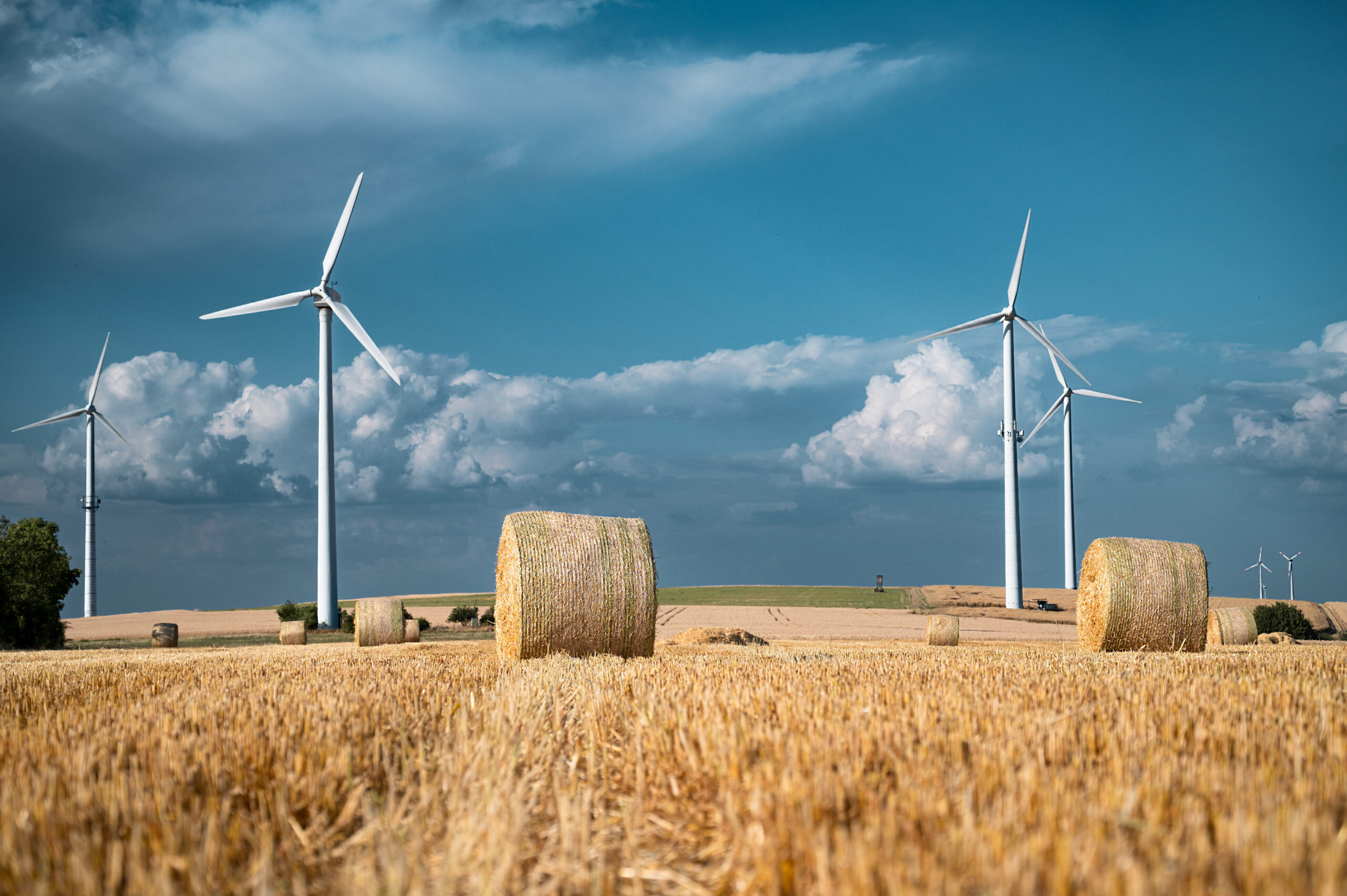
A: Wind turbines convert the energy of moving air into electricity. When wind turns the blades, they spin a rotor connected to a generator. Inside the generator, magnets rotate around copper coils, producing electricity that is sent to the power grid.
Q: How much power can a wind turbine produce?
A: Power output depends on turbine size and wind speed. New land-based wind turbines in the U.S. typically have a capacity of about 3.4 megawatts. On average, turbines produce electricity about 42% of the time based on wind conditions.
Q: What happens if the wind doesn’t blow?
A: Wind energy is variable, meaning output changes with wind conditions. Grid operators plan for this by using a mix of energy sources, forecasting tools and backup generation. Turbines are also designed to shut down during very high winds to protect equipment from damage.
Q: How long has wind energy been used in the U.S.?
A: Wind power development expanded in the U.S. beginning in the 1970s and grew significantly after the Energy Policy Act of 1992. Today, wind energy provides more than 10% of U.S. electricity, with most generation coming from onshore wind projects. New development has slowed in some regions due to regulatory and permitting challenges.
Q: Is wind energy safe for people and animals?
A: Research has not shown direct health impacts from living near wind turbines, though some residents report concerns related to noise or visual effects. Wind turbines do contribute to bird and bat deaths, but studies show they represent a small portion of overall human-related wildlife mortality. Ongoing research and siting practices aim to reduce these impacts.
Q: What regulations govern wind energy siting?
A: Wind energy projects are typically regulated at the local and state level. Many communities use wind siting ordinances that set standards for setbacks, noise levels, shadow flicker, safety, decommissioning and environmental protection. These rules are designed to balance development with community interests.
Q: What happens to wind turbines at the end of their life?
A: Wind turbines are generally designed to operate for 20 to 30 years. At the end of a project’s life, turbines can be removed or repowered with new equipment. Decommissioning plans typically outline how equipment will be taken down and how land will be restored.
Q: What are the economic impacts of wind leases for landowners?
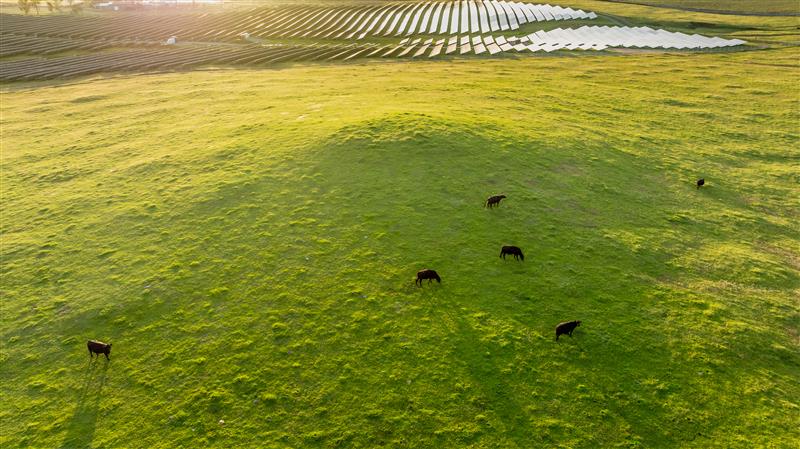
A: Wind energy leases can provide long-term, predictable income for participating landowners while allowing continued use of the land for farming or grazing. As with any land-use decision, lease terms, site conditions and local market impacts vary and should be carefully considered.
Q: How does wind energy development affect rural communities?
A: Wind projects can bring lease payments, local tax revenue and temporary construction jobs to rural areas. At the same time, development can influence land use patterns and community planning. The impacts depend on project size, location and local policies.
REFA provides fact-based, non-biased information about renewable energy from other farmers and landowners. Learn more about land use decisions, policy issues and real-world experiences by joining the REFA network.