By Jeff Risley, REFA Executive Director
The concern that solar development threatens American farmland is understandable. Land is precious, and farmers have worked hard to build operations they hope to pass down for generations. When you look at the numbers, the effects of renewable energy on farmland tell a more positive story.
In a recent Daily Yonder interview, I was asked about this topic, and it’s worth taking a deeper look at the data.
The Numbers on Solar and Farmland
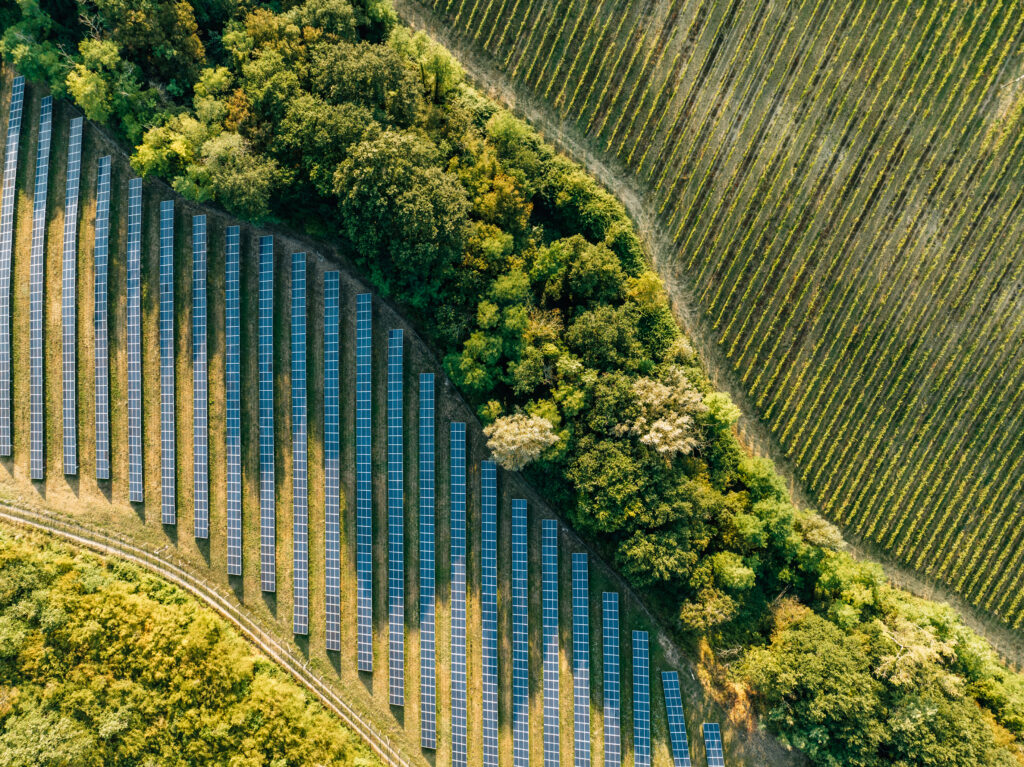
Out of 876 million acres of farmland in the United States, current peer-reviewed research shows that solar farms occupy approximately 550,000 to 600,000 acres. That represents between 0.06% and 0.14% of total farmland depending on measurement method. Even the most aggressive projections show less than 1% of total farm and ranchland would host solar panels.
That’s not nothing. But it’s also not the sweeping takeover that some headlines suggest.
Urban Sprawl: The Larger Threat to Farmland
Urban development converts more than 1 million acres of farmland every single year. That means even at maximum solar buildout projections, renewable energy would occupy less land than is lost to sprawl in just two to three years.
As I told the Daily Yonder: “Thousands of acres are going to [urban development], and that’s completely taking it out of commission.”
There’s a critical difference between these two types of land conversion:
- Solar installations are temporary. They’re typically 30 to 40 year commitments, and land can return to agricultural production when the lease ends.
- Urban development is permanent. Once farmland becomes a subdivision or shopping center, it never comes back to production.
The productivity of the US farmer is so great that the gains outpace the loss of farmland to solar. American agriculture continues to produce more food on fewer acres through innovation and efficiency improvements, even as some acres shift to renewable energy production.
Why the Concern Varies by Location
We understand why many farmers and rural residents feel concern about solar development. When you see a large project going up in your community, it can feel like the land is being taken over, even when the numbers tell a different story at the national level.
The impact is also concentrated. Over 70% of rural solar projects are installed on agricultural land. The same characteristics that make land ideal for farming (flat, cleared terrain with good drainage and access) also make it attractive for solar development.
This concentration means the experience differs significantly from state to state and county to county. A farmer in Ohio may see multiple solar projects in their township while a rancher in Montana sees none. Local context matters, and blanket statements don’t serve anyone well.
What REFA Supports
REFA believes solar energy can be compatible with agriculture when it is thoughtfully designed, responsibly sited, and implemented in ways that harmonize and preserve the long-term productivity of working lands. Specifically, we support:
- Solar development that works with agriculture and preserves the long-term productivity of working lands. Solar projects should fit the agricultural landscape, support soil health, and sustain the economic value of the land over time.
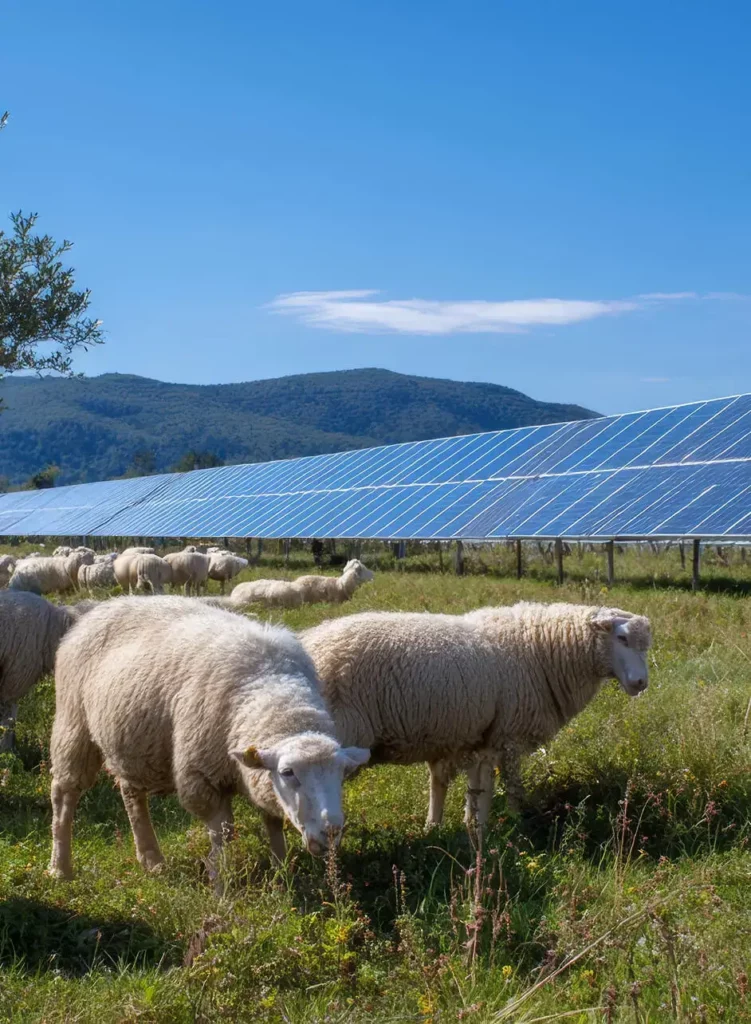
- Dual-use practices, often called agrivoltaics, wherever feasible. Many farms can integrate grazing livestock under panels, cultivate perennial crops, or implement pollinator-friendly and restorative groundcovers. These practices improve soil conditions, reduce maintenance costs, and reinforce the agricultural character of rural land.
- Allowing farmers and ranchers, not external entities, to decide how solar fits into their operation. Landowners understand their soils, machinery, labor, and business needs better than anyone. Every operation is different, and farmers should have the space to evaluate whether solar strengthens their land and long-term goals.
- Siting approaches that protect agricultural potential without relying on inconsistent or subjective land classifications. Definitions of “prime” or “high-value” agricultural land vary widely across states and do not always reflect farm-level realities.
Solar as Part of the Farm Operation
Solar farming is productive farming. Landowners use their ground to create value, just as they choose the most productive mix of crops, grazing, or conservation practices. Solar is a reasonable choice, one option among many that supports operational resilience.
For many farmers, renewable energy leases are a financial lifeline. Steady payments help operations weather commodity price swings and can mean the difference between keeping a farm in the family or selling to developers for non-agricultural use. And because renewable projects often occupy only a small portion of the property, the rest of the land remains productive.
Learn More
For a deeper dive into the data on solar development and farmland, read REFA’s comprehensive research brief. And if you’re a farmer or rancher navigating renewable energy decisions, consider joining REFA, a farmer-led organization that provides unbiased guidance and peer-to-peer support for landowners like you.