
How everyone can participate in and benefit from renewable energy
Community solar projects are transforming how Americans access renewable energy.
By allowing community members, including farmers, businesses and home renters, to subscribe to a shared solar energy system, these projects make renewable energy available to those who might otherwise be left out.
As with other renewable energy opportunities, community solar strengthens property rights, diversifies local economies and empowers landowners to take an active role in energy development.
What Is Community Solar?
Community solar enables groups of individuals or organizations to share the benefits of a single solar installation. The electricity generated is sent to the local grid and subscribers receive credits on their electricity bills based on their share of the power produced.
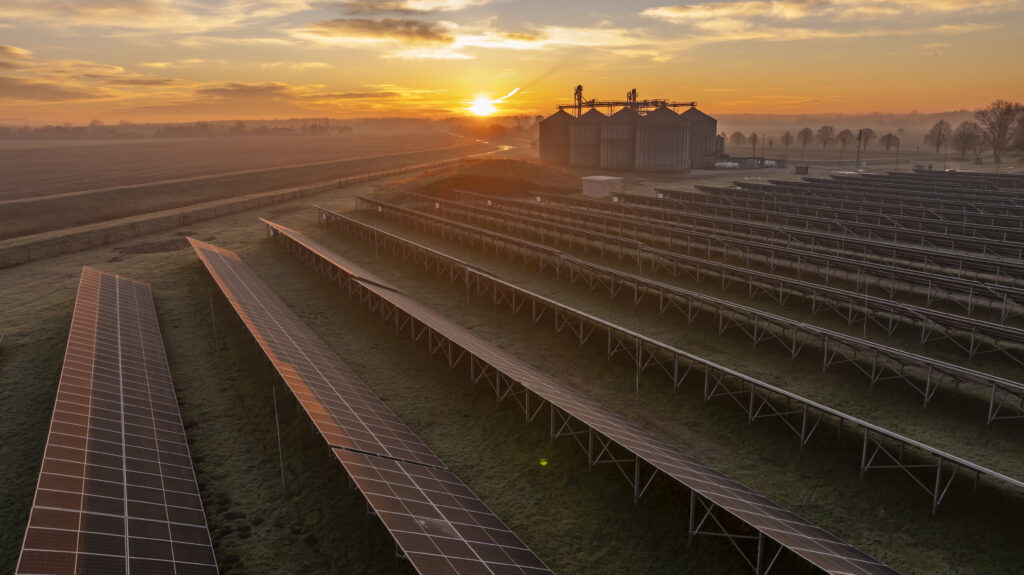
This model allows farmers, ranchers and rural landowners to host solar projects on their property, while creating opportunities for renters, households with shaded rooftops and small businesses to access clean, affordable energy.
The Growth of Community Solar
Over the past decade, community solar has gained strong momentum in the United States.
Early programs began in Minnesota and Colorado, and today, community solar projects are located in 44 states, including Washington D.C.
The Coalition for Community Solar Access (CCSA), representing nearly 180 developer members, has been instrumental since 2016 in advancing supportive legislation and partnerships with farmers and local governments.
Who Participates in Community Solar?
- Farmers and Landowners: Lease land for solar development and often serve as community champions for renewable energy.
- Developers and Financiers: Build, own and operate the solar projects, managing permitting and construction.
- Policy Advocates and Legislators: Create the zoning and regulatory frameworks that enable community solar.
- Community Members: Subscribe to shared solar power, gaining affordable, clean electricity without installing panels on their property.
How Community Solar Works
- Project Development: Developers identify suitable land — often 1 to 10 megawatts in scale — and construct solar arrays designed for shared access.
- Subscription Model: Community members subscribe to a portion of the project’s energy output, enabling participation regardless of homeownership or roof conditions.
- Billing Credits: Subscribers receive proportional credits on their electricity bills based on the amount of energy their share generates.
- Community Engagement: Local coalitions and advocacy groups lead education and outreach, ensuring the benefits of community solar are widely shared and understood.
Why Community Solar Matters
- Expanding Access to Renewable Energy: Community solar removes common barriers to rooftop solar, such as lack of homeownership, poor roof conditions or high upfront costs — making clean energy more accessible to households and small businesses.
- Supporting Farmers and Landowners: Hosting or leasing land for solar projects provides stable, long-term income that complements agricultural operations, protecting farms from economic volatility.
- Strengthening Rural Communities: Community solar projects create local jobs, generate tax revenue and boost grid resilience, contributing to rural economic growth and energy independence.
- Delivering Environmental Benefits: By increasing renewable energy generation, it adds local renewable generation and supports responsible land use.
Guidance for Local Officials
- Adopt Clear, Objective Standards: Local ordinances should focus on measurable and enforceable criteria — such as safety, setbacks and land use compatibility — instead of subjective aesthetics.
- Support Education & Outreach: Transparent communication helps residents understand the financial, environmental and resilience benefits of community solar, building public trust and buy-in.
- Recognize Economic Value: Community solar provides steady income for farmers, tax revenue for local governments and rural job creation — all of which strengthen community economies.
- Encourage Inclusive Participation: Policies should promote participation from renters, low-income families and historically underserved groups, ensuring that the benefits of clean energy are shared equitably.
Powering a Brighter, More Resilient Future Community solar allows broader participation in renewable energy, giving farmers, landowners and community members the chance to benefit from shared projects and local economic opportunities.
Adopting clear policies and encouraging inclusive participation can help local leaders and residents work together toward a resilient energy future.
Community solar isn’t just about generating electricity — it’s about empowering communities and preserving rural livelihoods.
One of our goals at REFA is to help landowners learn more about renewable energy opportunities that may be available to them. Subscribe to our newsletter to stay on top of the latest renewable energy news and insights.