The facts behind solar panel materials and chemical safety
As solar energy continues to grow across farms, homes and businesses, many people ask an important question: are solar panels safe for the environment?
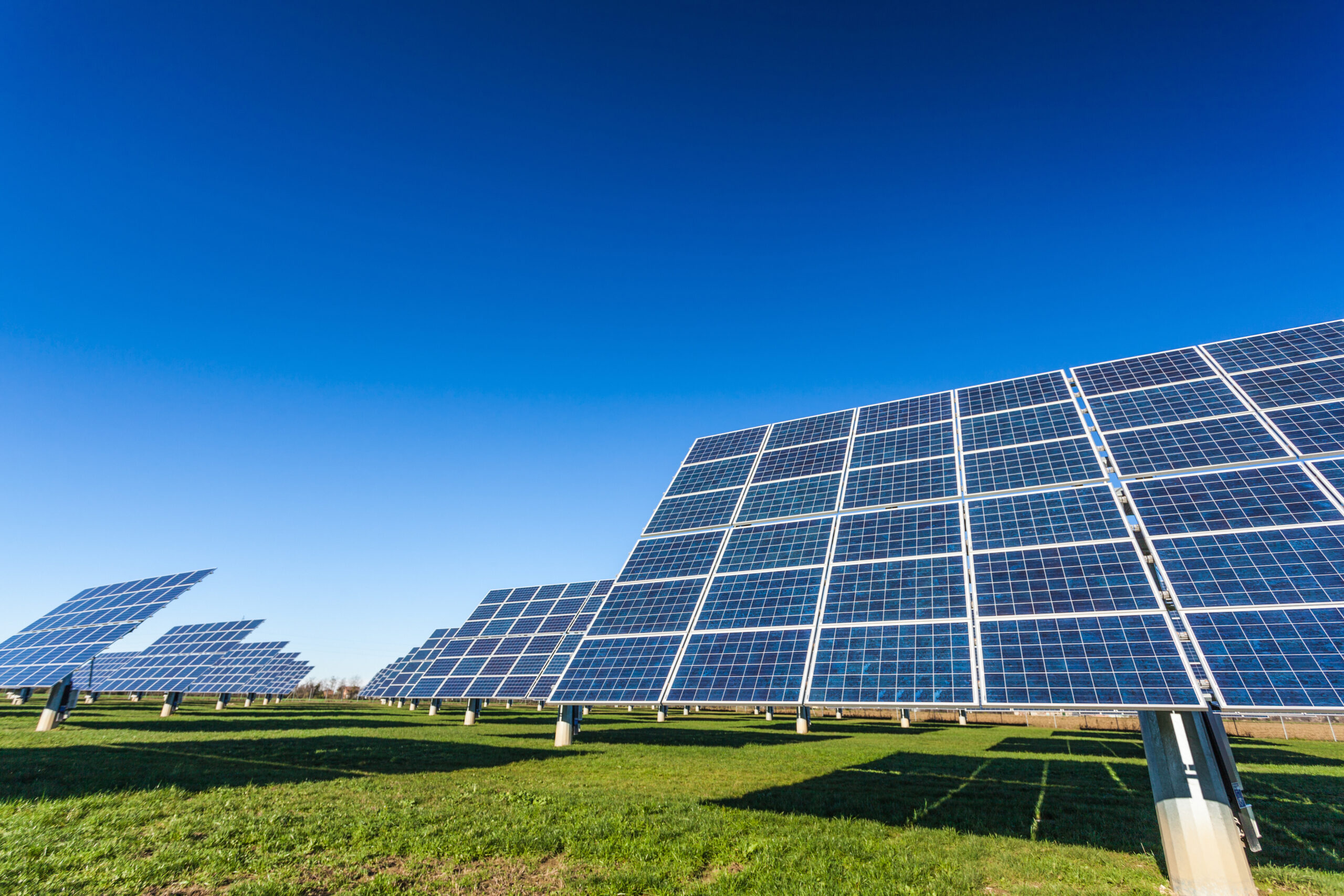
The quick and short answer, backed by scientific studies and EPA testing, is yes. Modern solar panels are safe and made from stable, commonly used materials.
What Are Solar Panels Made Of?
Most solar panels are composed of:
- Glass (75–80%) – Durable, tempered glass protects internal components.
- Aluminum (8–14%) – Used for frames and electrical contacts.
- Silicon (3–5%) – Converts sunlight into electricity.
- Polymers and other materials – Seal and protect the panels.
These materials are stable and inert, meaning they don’t leach harmful chemicals into the environment under normal operating conditions.
The Two Main Types of Solar Panels
- Crystalline Silicon (c-Si) Panels: Accounting for about 95% of the global market, crystalline silicon panels are made mostly of glass and aluminum. They contain less than 0.1% lead securely encapsulated within non-porous glass. This is about 1/750th the amount of lead found in a car battery.
- Cadmium Telluride (CdTe) Panels: CdTe panels use a semiconductor layer only 3% the thickness of human hair. This layer is sealed between two sheets of glass under high pressure. The CdTe compound is 99% less toxic than pure cadmium and has a very high melting point, making it stable and safe.
What Does the EPA Say About Solar Panel Safety?
The EPA’s Toxicity Characteristic Leaching Procedure (TCLP) is a rigorous test that crushes panels, exposes them to acid and agitates them for long periods—far beyond normal environmental conditions.
The results?
- Panels consistently pass EPA safety tests.
- Studies show minimal to no release of toxins, even when panels are damaged.
- The encapsulation design prevents chemical leaching in real-world environments.
Even when panels are deliberately crushed and subjected to extreme acid exposure in labs, researchers note that these are such extreme conditions that don’t reflect real-world scenarios.
Everyday Operation
During their 25+ year lifespan, solar panels:
- Show no evidence of chemical leaching.
- Are sealed against water penetration.
- Withstand hail, high winds and temperature fluctuations.
Fire Safety
Solar panel fires are extremely rare, occurring in less than 0.01% of installations. When they occur, firefighters are trained in and follow established protocols, and most issues stem from electrical faults, not the panels themselves.
What Happens at the End of a Solar Panel’s Life?
At the end of a solar panel’s life—typically 25 to 35 years—there are clear, responsible steps for what happens next. Panels that still work can be reused or refurbished, while others may be replaced through system “repowering” that upgrades equipment but keeps existing land and permits.
When panels reach the end of their usefulness, they’re decommissioned: all components are removed, the land is restored and recyclable materials like glass and aluminum are recovered. About 80% of a panel’s weight can be recycled, and more states are developing policies to support this process.
Decommissioning plans also outline who’s responsible for removal and restoration, estimated costs and financial measures to ensure the land is returned to its original condition.
What This Means for Farmers and Ranchers
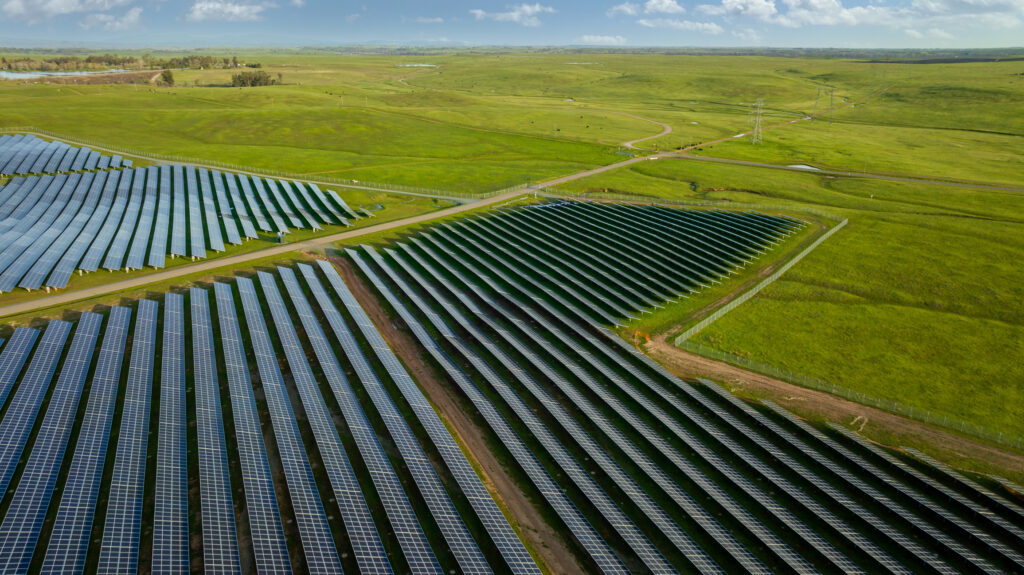
Solar panels installed on farmland:
- Do not pose chemical leaching risks to soil, crops or livestock under normal conditions
- Are designed with multiple safety layers to prevent chemical release
- Meet strict safety standards before reaching the market
- Can operate safely for 25+ years when properly installed and maintained
Solar Panels Are Designed for Long-Term Performance
Solar panels are made to last, rigorously tested, and proven safe for long-term use. From installation to decommissioning, they’re engineered to protect both people and the land they’re on.
As reuse and recycling programs grow, farmers and ranchers can feel confident knowing clear plans exist for responsible management at every stage of a solar project.
At REFA, we connect landowners with peers who have firsthand experience hosting renewable energy projects. Join REFA to gain access to peers and professionals who can share real experiences and help answer your questions.