What developers heard from real landowners at the ACP Siting & Permitting Conference
By Jeff Risley, REFA Executive Director
Developers spend a lot of time talking to each other about landowners. At the ACP Siting & Permitting Conference in Denver recently, we tried something different.
We let landowners do the talking.
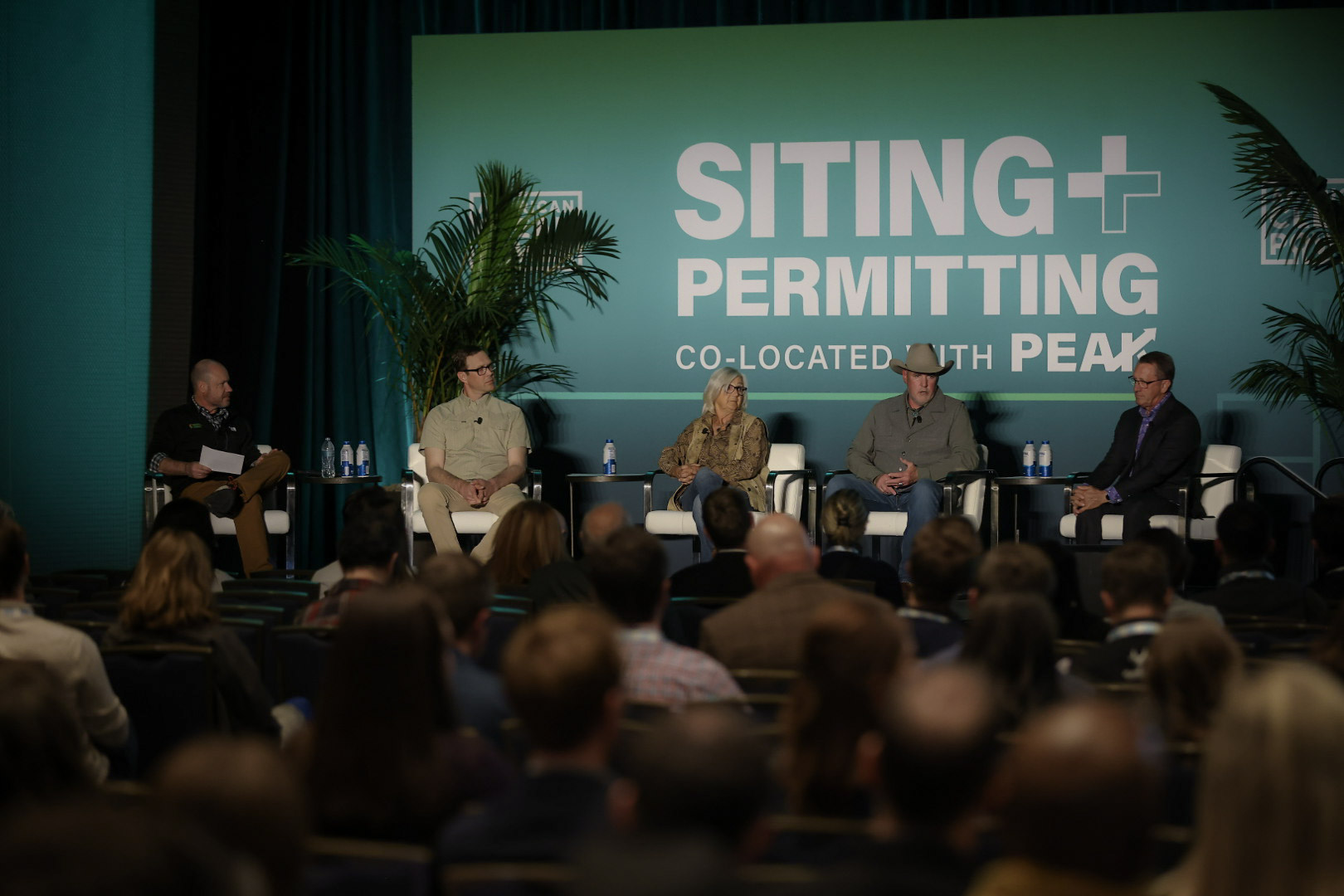
On Tuesday afternoon, March 31, I moderated a panel called Landowner Perspectives: Real Talk on Renewable Energy Development. The session featured four panelists:
- Shelly Mueller, a Wisconsin farmer and horse trainer who has hosted wind turbines on her land since 2001
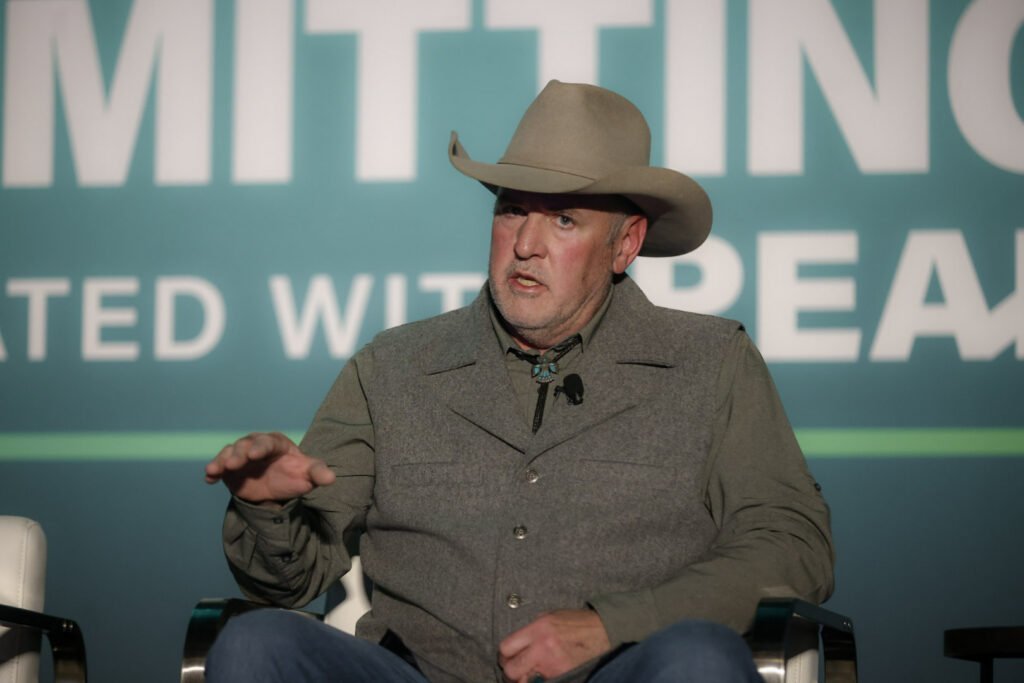
- Andy Yates, a fourth-generation New Mexico rancher whose family has worked the same 3,000 acres since 1925
- Greg Brophy, an eastern-Colorado farmer, former Colorado State Senator and Director of The Western Way
- Derrick Worden, Director of Land Acquisition at AES Corporation and REFA Board Member, representing the developer perspective
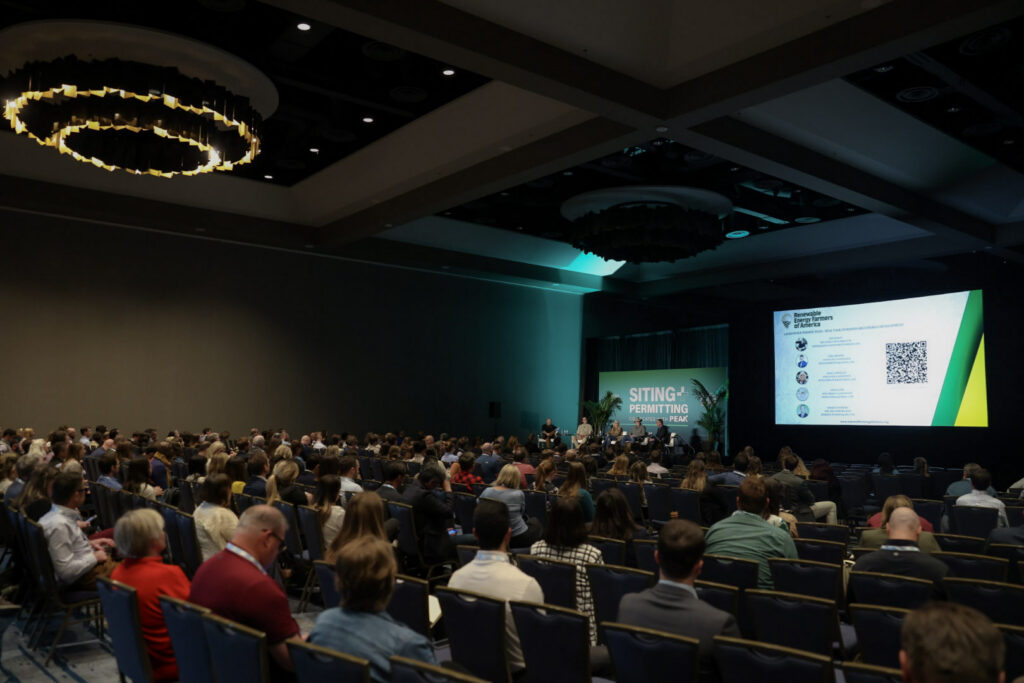
Approximately 300 people filled the room. These were not industry spokespeople reading from prepared remarks. They were producers managing real operations, sharing what works, what does not, and what they wish they had known before signing their leases.
As a closing question, I asked each panelist: “If you could give every developer in this room one piece of advice on how to work better with landowners, what would it be?”
Andy Yates delivered the line of the conference.
“Do not call me from the pool.”
He told the story of a developer competing to host a solar project on his land who called to discuss the deal while sitting poolside on vacation. And it was obvious.
The room laughed, but Andy was making a serious point. When you are asking a landowner to trust you with land that has been in their family for generations, authenticity matters. That phone call did not feel like a genuine business conversation. It felt like a box being checked.
Andy went with a different developer.
Treat Landowners Like Business Partners
The pool story captured a theme that ran through the entire panel: landowners can tell when they are being treated like a transaction instead of a business partner.
Shelly Mueller, with more than two decades of experience hosting wind turbines, spoke about what has mattered most beyond the lease payment. It comes down to communication, respect for her ongoing operation and a developer who treats the relationship as long-term.
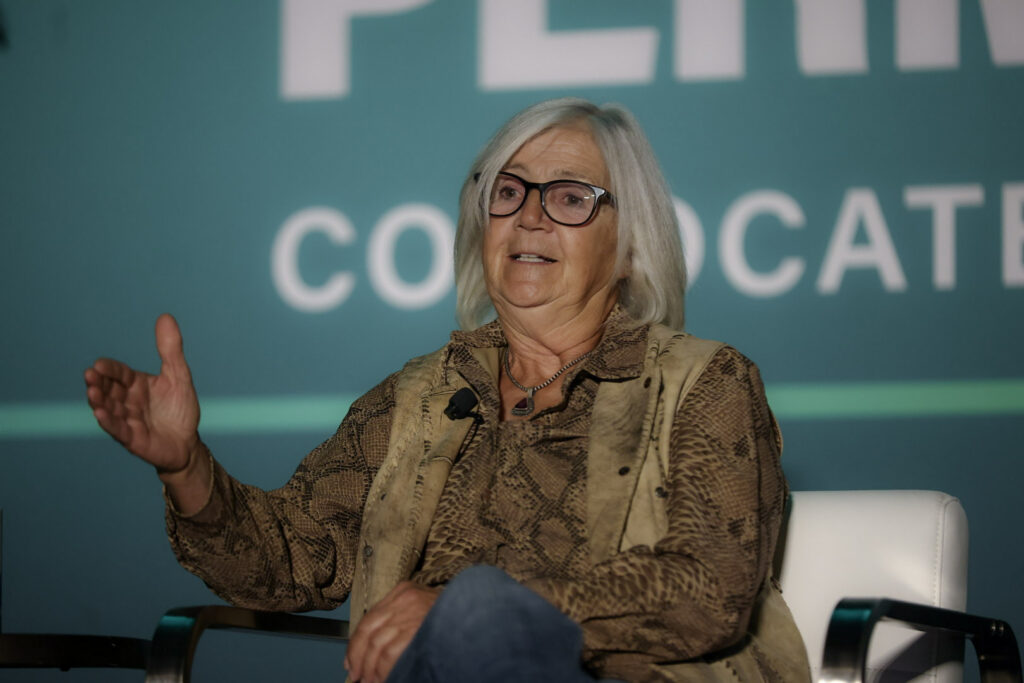
Andy talked about what he was protecting when evaluating offers on his family’s ranch. When I asked what he needed to feel comfortable moving forward, his answer was not about money. It was about legacy. It was about making sure the project would not compromise what his family had built, and about working with people who understood that.
Greg Brophy brought the policy perspective, noting that when he talks to farmers and ranchers across the West, their concerns often run deeper than project details. They want to know they are being heard, that their property rights will be respected and that they are not just a parcel on a map.
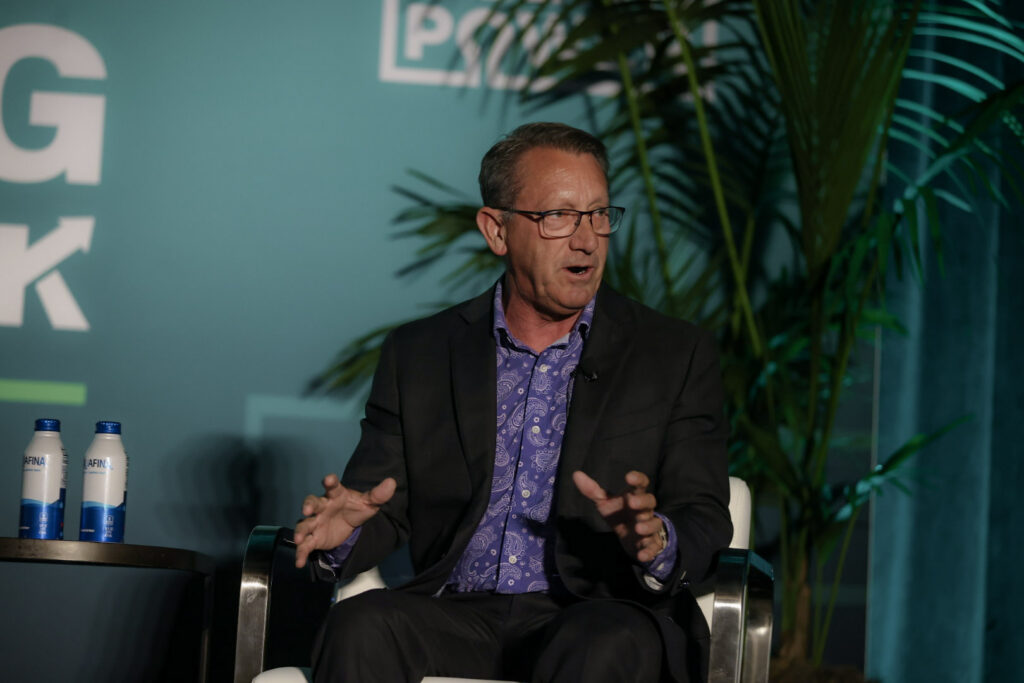
Derrick Worden, speaking as both a developer and a REFA Board member, shared how he trains his land teams to approach conversations differently. They are not negotiating acreage. They are asking someone to trust them with something that has been in a family for generations.
Bridging the Perception Gap
I posed a question to the group: Developers look at a parcel and see megawatts and interconnection potential. Landowners look at that same land and see family history, livelihood and legacy. How do you bridge that gap?
The panelists agreed that it starts with listening. Not selling. Not leading with why the project is good for the community. Listening first to what the landowner cares about and showing that you understand it.
After the panel, dozens of attendees approached me to say how valuable it was to hear directly from landowners. Several mentioned it was the most useful session they attended all week.
That response confirmed something we already knew: this conversation needs to happen more often.
REFA at ACP
The landowner panel was not REFA’s only presence at the conference. Our board of directors attended sessions throughout the week, engaging with developers and other attendees. They were not there as observers. They were there to represent the landowner perspective in real time.
On Wednesday morning, we held our board meeting offsite. It reinforced something we hear often: when landowners have a seat at the table, the conversation changes.
A Different Kind of Partnership
REFA membership is for landowners. That is who we serve, and that will not change.
At the same time, developers benefit when landowners are informed, prepared and confident in their decisions. Projects move more smoothly when communities are not caught off guard. Agreements hold up better when landowners understand what they are signing.
That is why we offer developer sponsorships. Sponsors do not become members, and they do not influence our guidance to landowners. But they can support the educational work that helps landowners navigate these decisions with clarity.
Current REFA sponsors include Acciona, AES, APEX Clean Energy, Clearway, Cypress Creek Renewables, DTE, EDP Renewables, Nova Clean Energy, Pivot Energy, RES, RWE and Scout Clean Energy.
If you attended the panel in Denver, you saw what happens when landowners have a platform. If you believe that informed landowners make better partners, we should talk.