Understanding how energy storage supports wind and solar projects
As wind and solar development expands across rural areas, many landowners are also hearing about energy storage. Storage systems are often proposed alongside renewable energy projects, but they are not always well understood.
This article explains what renewable energy storage is, how it works and why it is being used more often with wind and solar projects.
What Is Renewable Energy Storage?
Renewable energy storage refers to systems that store electricity produced by wind or solar projects for later use. Because wind and solar generation depends on weather and time of day, storage helps manage when electricity is available and when it is needed.
In simple terms, energy storage captures electricity when production is high and demand is low, then releases it later when demand increases or generation drops.
How Do Energy Storage Systems Work?
Energy storage systems function much like large rechargeable batteries for the electric grid.
A typical system includes:
- Batteries that store electricity
- Racks or frames that hold the batteries
- Inverters that convert stored electricity into usable power
- Control and monitoring equipment
- Safety systems and fire protection
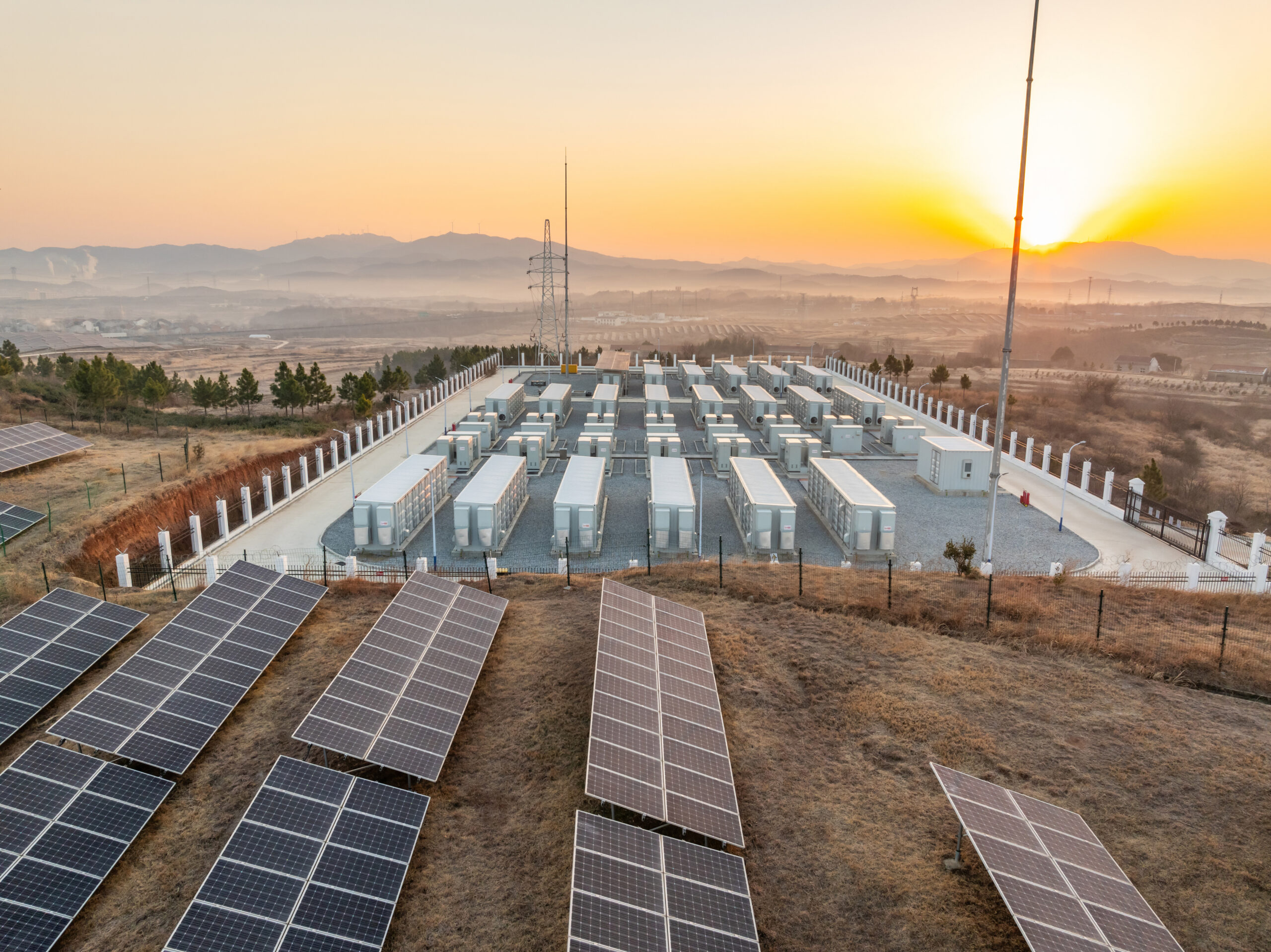
- Enclosures, such as shipping containers or buildings
When electricity is abundant, the system charges. When electricity is needed, it discharges power back to the grid.
Why Is Energy Storage Being Used More Often?
Energy storage helps address several challenges related to electricity supply and demand.
Key reasons storage is being added to renewable projects include:
- Reliability: Storage can provide power during outages, extreme weather or grid disruptions.
- Grid flexibility: Stored energy can be released during periods of high demand, helping balance the system.
- Efficiency: Storage reduces the need to curtail wind or solar production when electricity supply exceeds demand.
- Cost management: Electricity can be stored when prices are low and used when prices are higher.
By shifting when electricity is used, storage helps utilities manage the grid more effectively.
What Does Energy Storage Look Like on the Ground?
Energy storage projects vary widely in size.
- Small systems may be similar in size to a home HVAC unit.
- Utility-scale systems can range from the size of a hockey rink to a soccer field, depending on capacity.
Most systems are housed in:
- Shipping containers
- Outdoor cabinets
- Purpose-built buildings
Storage facilities operate in a wide range of environments, including rural farmland, urban areas, deserts and cold climates.
How Does Energy Storage Relate to Land Use?
Energy storage is often located near wind or solar projects, including on agricultural land. In some cases, storage may be co-located with generation on the same site. In others, it may be placed at substations or along transmission lines.
For landowners, storage projects can involve:
- Long-term site agreements
- Lease payments
- Limited ongoing land disturbance once installed
As with any infrastructure project, site design, access needs and safety requirements vary.
Market and Policy Considerations
Electricity markets and regulations are evolving to better account for energy storage. In many regions, policy changes are allowing storage to participate more fully in power markets, which can improve project economics and grid reliability.
As renewable energy deployment continues, storage is increasingly viewed as a supporting technology that helps manage variability and demand across the system.
A Supporting Technology
Renewable energy storage does not generate electricity on its own. Instead, it supports how electricity is used and delivered. By storing energy when it is available and releasing it when it is needed, storage plays a growing role in how wind and solar projects operate within the broader electric grid.
REFA provides fact-based, non-biased information to help landowners understand energy projects and land use decisions. Learn more about renewable energy development, policy considerations and real-world landowner experiences by connecting with the REFA network.