What Landowners Should Know About Wildlife and Solar Farms
Anyone who spends their days on the land knows that a farm or ranch includes more than the crop or the herd. It is the grass between fields, the soil underfoot, the insects buzzing and the animals that move through the land as they have for centuries. So when a solar developer starts talking about a 25-year lease, it is reasonable to wonder what happens to all the wildlife and their habitats when the panels go in.
In short, it depends on how the project is designed. Without proper planning, solar farms can disrupt wildlife movements. A well-designed solar project can support valuable wildlife habitats while remaining compatible with the surrounding agricultural landscape. Here is what is critical to know.
Wildlife Movement Includes More Than Migration
One interesting finding from recent wildlife research involves pronghorns in the West. Unlike deer, pronghorns do not jump fences. Instead, they crawl under them, and when researchers at Western Ecosystems Technology tracked pronghorn after a large solar facility went up in Wyoming, they found wildlife avoidance extending nearly a mile from the fence line. Although the site itself was quiet and had little traffic, the animals stopped using that ground altogether.
Wildlife agencies are increasingly encouraging developers to consider wildlife movement early in the planning process. Arizona Game & Fish, for example, recommends identifying important movement corridors, minimizing habitat fragmentation, incorporating wildlife-friendly fencing where appropriate and preserving native vegetation whenever possible. These design considerations can help reduce impacts on wildlife while allowing projects to move forward.
Supporting Pollinators and Habitat
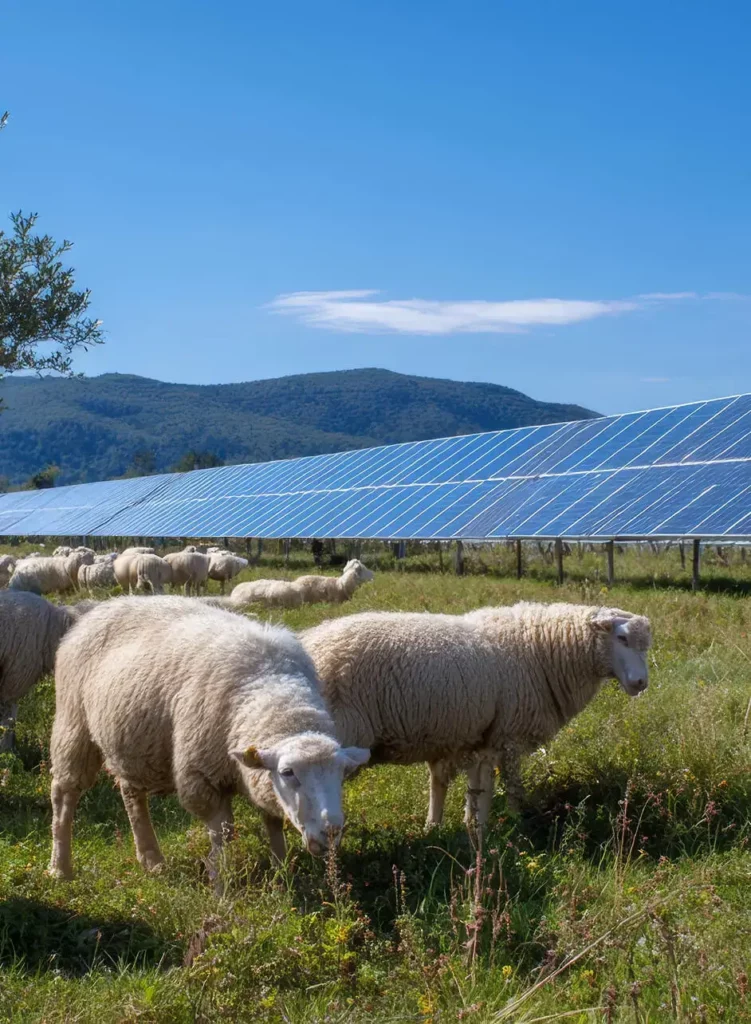
Native vegetation planted under and between panel rows can support pollinators, songbirds, reptiles and small mammals. This includes endangered and at-risk wildlife populations like the rusty patched bumble bee and the monarch butterfly that can benefit from prairie vegetation provided between panels.
Researchers estimate that creating a pollinator habitat at scale for solar facilities in leading states could support nearly 200,000 acres of adjacent pollinator-dependent crops and generate a substantial pollination value to landowners. The Renewable Energy Wildlife Institute has documented active research across the country examining how solar sites affect everything from native bees and butterflies to migratory birds and amphibians.
The key variable in these situations is almost always vegetation and long-term habitat management. Native grasses and wildflowers can provide valuable habitat for wildlife and pollinators while helping improve the overall site.
Wildlife-Friendly Fence Designs
Fencing is standard on most solar projects for public safety and farm security, but it can create barriers for wildlife movement. Wildlife-friendly fence designs can allow migrating animals to move around or through a solar project more easily. These designs may include wider gaps or raised bottoms to allow small game to move through freely. If you are considering a lease, ask how the project’s fencing is designed and whether wildlife movement has been taken into account.
Ground Cover and Soil Health
A well-managed solar site can improve the land over time. The panels create microclimates, shade the soil and reduce moisture loss. In some dryland farming areas, this may improve soil health. Over time, native vegetation that supports pollinator habitats can also build organic matter and establish root systems that can prevent soil erosion while supporting pollinators.
Some Questions Before You Sign
Wildlife is one of many considerations when evaluating a solar lease. Here are a few questions worth asking before you sign:
- What is your vegetation management plan? Look for native seed mixes, pollinator-friendly species and restrictions on herbicide use.
- What type of fencing will you use, and can it be made wildlife-friendly? Ask about bottom gaps, wider mesh or openings for small and medium-sized wildlife.
- Will the project design include wildlife corridors or connectivity features? If large mammals like deer, pronghorn or even elk regularly move through your property, ask how the project design accounts for their movement.
- Have you consulted with state wildlife agencies or the Renewable Energy Wildlife Institute on project siting? The best practices use available wildlife movement data and incorporate habitat considerations into site design.
- Who is responsible if protected species use the site? It is important to understand liability and operating protocols before you sign.
Planning for Wildlife with Solar Projects
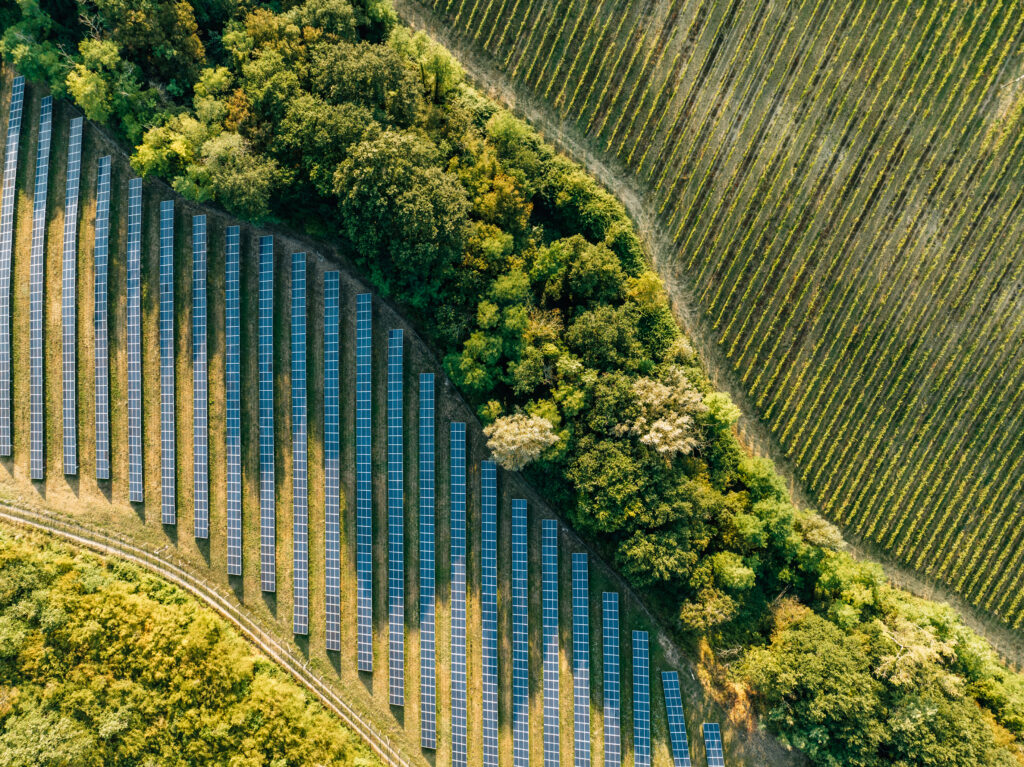
Solar development can support wildlife habitat and movement with careful planning. The research from the Renewable Energy Wildlife Institute and others shows that thoughtful siting, permeable fencing, native vegetation and movement corridors all work in favor of wildlife.
Every property is different, and every lease deserves careful review. If you’re considering a renewable energy project on your land, REFA can connect you with experienced landowners, educational resources and trusted advisors to help you ask the right questions before you sign.