How one landowner is navigating long-term land decisions after more than a century of family ownership
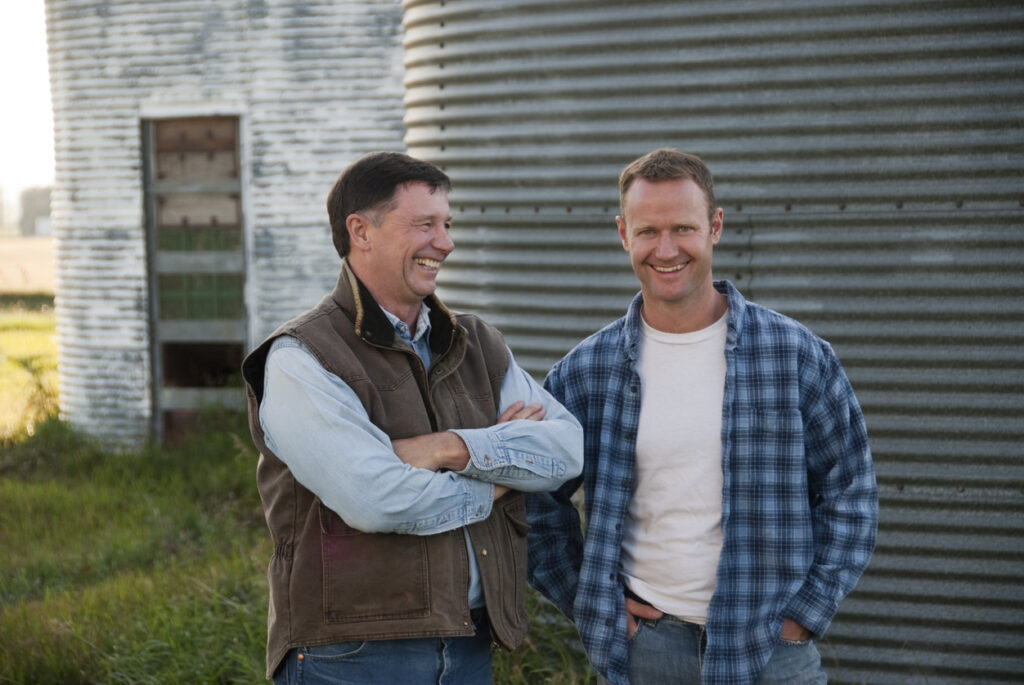
When Martin Hauser looks across his land, he doesn’t see himself as its owner in the traditional sense. He sees something closer to a caretaker — one link in a much longer chain.
“My great-grandfather moved to this land in 1918,” said Martin. “The land has been in our family ever since.” Over the decades, the property has adapted alongside each generation, supporting cattle, timber, truck crops, citrus and a wholesale nursery. More than a business, the land has been a constant presence in his family’s life. “It has raised and fed four generations of my family,” said Martin.
That history shapes how Martin thinks about the future. “The land is a legacy,” he explained. “It was here before I was born and it will be here after I am gone. Although I am officially the ‘owner,’ in fact I am just a steward, taking care of the land until I pass it on to my descendants.”
Planning With the Long View in Mind
Once retired, Martin began thinking carefully about what came next, both for himself and for the farm. “I am not a young man,” he said. “I cannot work physically in my 70s as I did in my 30s.”
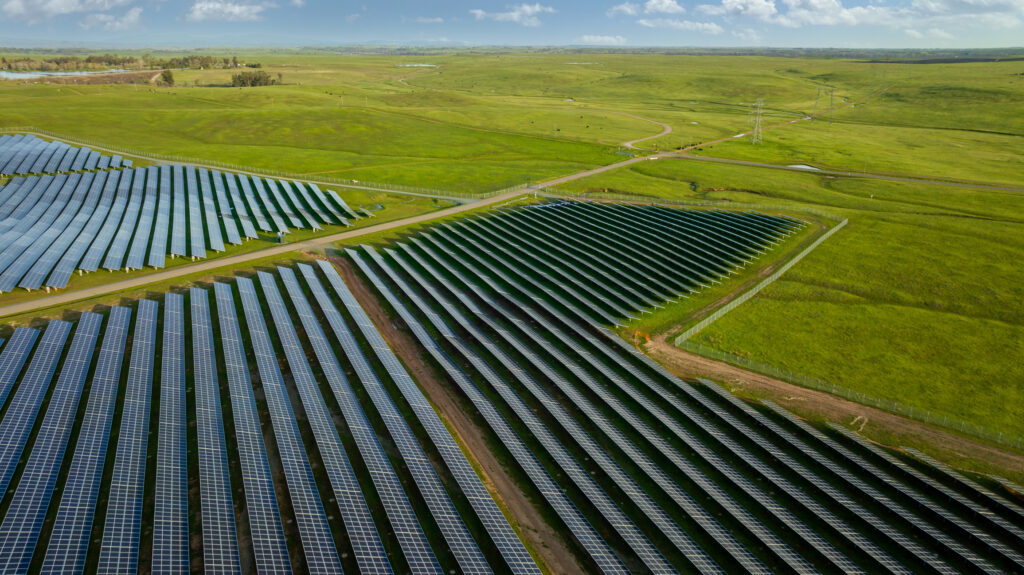
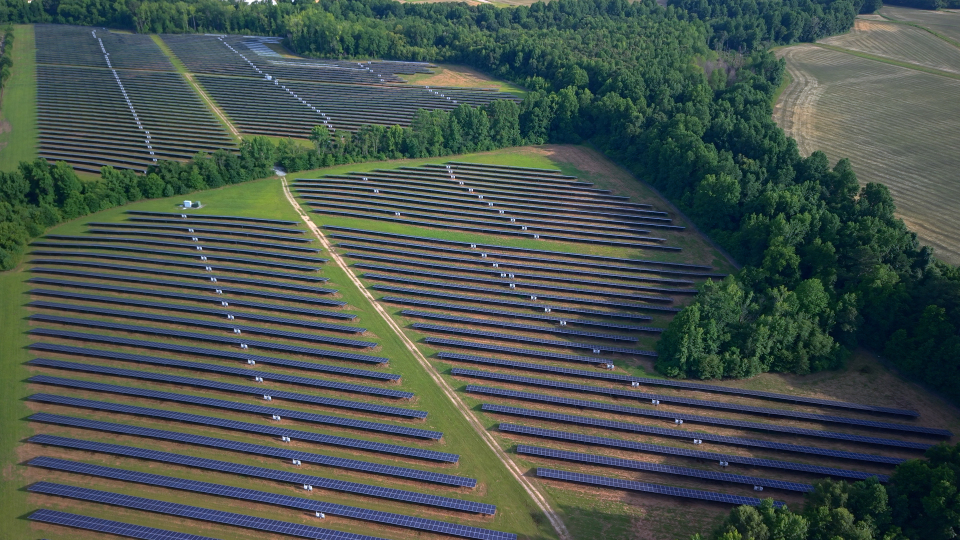
Like many landowners facing similar realities, Martin started evaluating what uses of the property could align with his stage of life while still respecting the land’s long-term role in his family. After exploring several options, it became clear that a solar energy project was the best option forward.
“Renewable energy seems suitable for my needs,” Martin said. “Providing a good income for me and producing a valuable product for others.”
Weighing Options, Not Rushing Decisions
Rather than viewing the solar project as a short-term change, Martin sees it as part of a broader plan for continuity. After decades managing complex projects across the oil and petrochemical industries, Martin approaches decisions about his land the same way he approached his professional career: by learning the details and thinking long-term. “This is an industry with much potential,” he said. “But it is not meant for lazy or disinterested people. Expect to learn a lot.”
That mindset influenced his decision to work with Renewable Energy Farmers of America (REFA) as he evaluates what will come next for building a solar project on the property. For Martin, having access to clear information and practical guidance matters. “It gives options and opportunities for farmers and landowners to consider,” he said.
A Future Shaped by Stewardship
Looking ahead, Martin feels encouraged by what this next chapter can represent for both the land and the generations who will follow. He says the goal is simple: to make thoughtful decisions today that allow the property to continue supporting his family well into the future. For Martin, that sense of possibility grounded in careful planning and respect for the land’s history is what makes this moment meaningful. It’s not about changing what the land has been, but ensuring it remains productive, relevant and cared for long after his time as its steward has passed.
For landowners considering similar long-term decisions, REFA helps provide clarity, perspective and support throughout the process. Join REFA today.