News from the Field
February 12, 2026
|
|
|
Community & Local Issues
|
Mattoon, Illinois will pay a farm $5,000 annually to block solar development.
City of Mattoon City Council met Feb. 3
kristine gonzales-abella • 2/3/2026
Illinois
What it is:
- City Council approved a temporary restrictive covenant with Schaefer Family Farms prohibiting commercial solar development
- The agreement includes annual payments to the farm operation for accepting the restriction
Why it matters:
- Shows some communities are willing to pay farmers to avoid solar projects, revealing local opposition that could affect other landowner opportunities
- Creates a precedent where local governments use financial incentives to restrict renewable energy development on private property
What’s next: The ordinance was listed for council approval as part of routine consent agenda items.
REFA’s Perspective: This unusual arrangement reveals important dynamics every landowner should understand. While $5,000 annually might seem attractive, it likely represents a fraction of potential solar lease revenue and sets a concerning precedent of local governments restricting landowner energy choices. REFA believes farmers should maintain the right to maximize their land’s value through renewable energy opportunities.
|
|
|
Property Rights & Policy
|
Lincoln County could end wind and solar moratorium with new zoning rules.
Hearing set Tuesday on updated zoning regs, comprehensive plan
The North Platte Bulletin • 2/6/2026
Nebraska
What it is:
- Planning commission hearing Tuesday on updated zoning regulations for wind and solar farms after 3-year moratorium
- New comprehensive plan will replace 2012 version and guide all land-use decisions countywide
- Public input encouraged at Feb 10 meeting in North Platte City Council chambers
Why it matters:
- New regulations could open renewable energy opportunities for landowners currently blocked by moratorium
- Comprehensive plan will determine where development is encouraged or limited for years to come
- Zoning rules must align with comprehensive plan, making this decision critical for property rights
What’s next: Planning commission will recommend to county commissioners who make final decision after another public hearing.
REFA’s Perspective: This is why landowner voices matter in local planning processes. After three years of blocked opportunities, Lincoln County landowners have a critical chance to advocate for renewable energy-friendly zoning that protects both property rights and economic opportunities. The decisions made in this room will determine whether farmers can benefit from wind and solar leases for years to come.
|
|
Missouri considers bills that could block solar development on farmland.
Missouri Senate considers bills to halt solar development on farmland – Worldnews.com
System • 2/4/2026
Missouri
What it is:
- Missouri Senate Commerce Committee held hearings on two bills to halt solar development on agricultural land
- Tensions erupting between neighbors, residents and developers over land use conversion
- Property rights questions at center of debate over farmland solar projects
Why it matters:
- Could restrict landowners’ freedom to lease their property for solar income opportunities
- Shows growing political opposition that may limit renewable energy options for farmers
What’s next: The Missouri Senate Commerce Committee will continue considering the proposed legislation.
REFA’s Perspective: If government can block solar development on your land, they’re taking away your economic opportunities and property rights. We believe farmers should have the freedom to choose renewable energy partnerships that benefit their operations, not face blanket restrictions that limit their options and income potential.
|
|
St. Mary’s County landowners have 45 days to shape land use rules through 2050.
Shape St. Mary’s Future: 2050 Plan Draft Released
David M. Higgins II, Publisher/Editor • 2/7/2026
Maryland
What it is:
- St. Mary’s County released draft comprehensive plan guiding land use, growth, and development decisions through 2050
- Plan addresses agriculture, economic development, environmental protection, and infrastructure priorities
- 45-day public comment period open with online feedback and in-person meetings scheduled
Why it matters:
- Comprehensive plans determine zoning rules and property use rights that affect renewable energy development opportunities
- Agricultural landowners can influence how farming areas are protected or designated for future development
- Public input now shapes policies that will govern property decisions for the next 25 years
What’s next: Planning Commission will review the plan in late spring 2026 followed by county commissioners consideration this summer.
REFA’s Perspective: This is your chance to ensure renewable energy opportunities aren’t zoned out of your future. Comprehensive plans like this determine whether your agricultural land can host solar or wind projects decades down the road. Don’t let planning decisions happen without landowner voices. These rules will outlast most of us and directly impact your property’s potential for renewable energy income.
|
|
Pennsylvania farmers can access $10 million in grants for renewable energy projects.
Pennsylvania Agricultural Innovation Grant Program
Tracy Mumma • 2/7/2026
Pennsylvania
What it is:
- Pennsylvania Department of Agriculture offering Agricultural Innovation Grant Program funding
- Covers project planning and implementation costs for agricultural technologies, conservation, and renewable energy
- Open to agricultural producers, processors, and technical service providers
Why it matters:
- Direct funding opportunity for farmers wanting to implement renewable energy projects on their property
- Larger grants available for projects with regional impact, potentially increasing financial benefits
What’s next: Applications must be submitted by April 18, 2026 through the Pennsylvania Department of Agriculture.
REFA’s Perspective: This is a great example of a government program that support farmers’ ability to diversify income through renewable energy while maintaining full control over their land decisions. Pennsylvania farmers should seriously consider applying, as grant funding can make renewable energy projects much more financially viable and reduce implementation risks.
|
|
|
Solar Development
|
Wisconsin community solar legislation could create new farm income opportunities.
Letter: Community solar is a free-market win for Wisconsin
Jeff Disher • 2/5/2026
WisconsinIllinois
What it is:
- Wisconsin lawmakers introduced community solar legislation allowing small solar projects on farmland corners
- Projects would be locally controlled and generate steady income for property owners while preserving agricultural use
- Legislation aims to break utility monopoly control and give consumers energy choice
Why it matters:
- Farmers could earn steady income from underused land corners without losing agricultural productivity
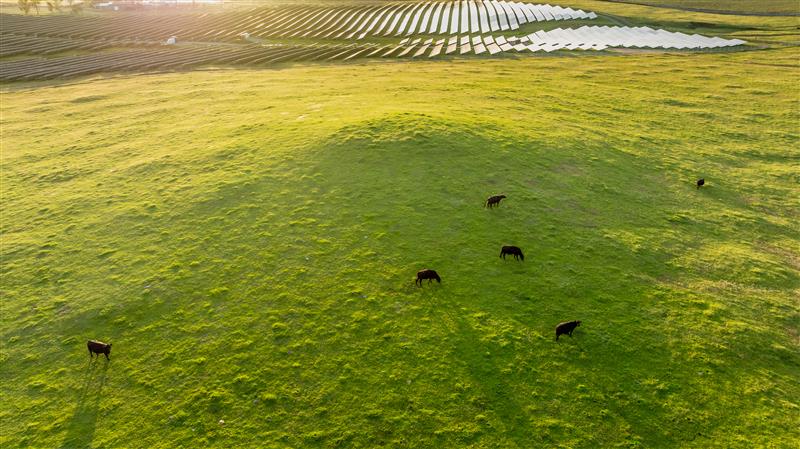
- Dual-use farming allows continued livestock grazing beneath solar panels while generating clean energy revenue
What’s next: Wisconsin lawmakers in Madison will decide whether to advance the community solar legislation.
REFA’s Perspective: REFA supports legislation like this. It gives farmers control over their land decisions while creating new income streams through renewable energy. Community solar respects property rights by keeping projects small and locally controlled, allowing farmers to maintain agricultural use while earning from underused corners. The dual-use approach with livestock grazing shows how smart renewable development can enhance rather than replace traditional farming operations.
|
|
Dayton landowner secures major municipal solar deal with strong community backing.
West Dayton solar farm with ‘refreshing’ level of support should save city utility customers $42M
Dong • 2/6/2026
Ohio
What it is:
- Gem City Solar: 49.9 MW project using 300 acres of landowner’s 600-acre property
- City of Dayton signed energy purchase agreement, projecting $42M customer savings
- Construction begins 2027, operational by 2028
Why it matters:
- Demonstrates successful model for securing municipal utility customers as offtakers
- Strong community support shows how positive relationships drive project success and landowner benefits
What’s next: Construction launches next year with municipal energy purchase agreement already secured.
REFA’s Perspective: This project shows how landowners can build lasting partnerships with their communities while creating substantial economic value. The fact that only half the property is being developed for solar demonstrates smart land management that preserves future options and maintains landowner control.
|
|
Grady County extends solar permit moratorium six more months.
Grady County commissioners extend moratorium on solar farm permits
Abraiya Ruffin • 2/5/2026
Georgia
What it is:
- Commissioners extended moratorium until August 6 to research financial assurances, environmental impacts, and property values
- Mixed community response with some farmers supporting income opportunities, others expressing concerns
- Board plans to tour existing solar farms and continue research before making final decision
Why it matters:
- Delays potential income opportunities for landowners interested in solar leasing during extended review period
- Creates continued uncertainty for farmers who could benefit financially from solar development on their property
What’s next: Commissioners will tour other solar farms and complete research before deciding whether to lift the moratorium.
REFA’s Perspective: While thorough research protects everyone’s interests, extended moratoriums cost landowners real economic opportunities. The farmer featured shows how solar can help families stay on their land – exactly the kind of opportunity landowners deserve to pursue.
|
|
New trade association puts farmers first in dual-use solar development.
Distributed Energy Infrastructure Joins the Solar and Farming Association to Support Farmer-Centered Dual-Use Solar PR Newswire
Distributed Energy Infrastructure • 2/3/2026
United States
What it is:
- Solar EPC firm DEI joins Solar and Farming Association (SAFA) as founding board member to advocate for farmer-centered agrivoltaic projects
- SAFA ensures solar + farming projects are designed around farmers needs, allowing diversified revenue while keeping land productive
- DEI successfully revitalized cranberry bogs under solar panels, achieving first harvest in years after 2023 construction
Why it matters:
- Farmers maintain control over their land decisions while gaining reliable long-term income streams during volatile commodity markets
- Creates model for developer-farmer partnerships that protect soil and farming operations while generating steady tax revenue for communities
What’s next: SAFA will advocate for supportive agrivoltaic policies at state and regional levels, particularly in Mid-Atlantic and Northeast regions.
REFA’s Perspective: REFA has a formal partnership with SAFA. SAFA’s farmer-first approach aligns perfectly with our mission to ensure landowners maintain autonomy while accessing reliable income streams that strengthen rural communities. The cranberry bog example in this story proves that when developers truly partner with farmers and design projects around agricultural needs, everyone wins.
|
|
|
Wind Development
|
South Dakota county advances wind farm guidelines with strong local support.
City of Frederick Chairman discuss Wind Energy System at Brown County Commission
Hub City Radio Staff • 2/3/2026
South Dakota
What it is:
- Brown County Commission considering ordinance for wind energy projects with Invenergy planning wind farms near Frederick
- City of Frederick Chairman publicly supports the regulatory framework
- Ordinance establishes clear guidelines and setback requirements for wind development
Why it matters:
- Clear local regulations help landowners understand wind lease opportunities and requirements
- Local government support improves project viability and community acceptance for participating landowners
What’s next: Brown County Commission will address the ordinance in upcoming meetings with draft available online.
REFA’s Perspective: The wind development process should work with clear local guidelines, community input, and transparent rules that help landowners make informed decisions. When local governments establish fair ordinances like Brown County is doing, it creates certainty for both developers and landowners, leading to better lease terms and smoother project development.
|
|
Wind turbines can be replaced with newer models after just five years of operation.
100 Mart wind turbines coming down after 5 years, with new installations planned – Worldnews.com
system • 2/3/2026
Texas
What it is:
- Engie North America will use explosives to demolish 100 wind turbines at Prairie Hill Wind Farm near Mart
- Replacement with more efficient turbines will continue through 2027
- Original turbines were installed only five years ago
Why it matters:
- Shows rapid advancement in wind technology that could affect landowner lease income during transition periods
- Demonstrates importance of understanding lease provisions around equipment replacement and upgrade scenarios
What’s next: Construction of new, more efficient turbines will continue through 2027.
REFA’s Perspective: This replacement project shows how quickly wind technology advances and why landowners need lease agreements that protect their interests during upgrade periods. While newer turbines often mean better efficiency and potentially improved lease terms, make sure your contract addresses income protection during construction phases. Understanding the full lifecycle of wind projects helps you negotiate better deals that benefit from technological improvements.
|
|
Iowa wind development faces growing local opposition despite strong economic benefits for landowners.
“How Iowa Has Turned Against Wind”
jdavis_sej • 2/4/2026
Iowa
What it is:
- Iowa, second only to Texas in wind production, seeing fewer new wind farms built due to local resistance and federal roadblocks
- Shenandoah project highlights community divide between wind supporters and opponents
- Growing power demand exists but new development opportunities becoming increasingly rare
Why it matters:
- Local opposition can limit landowners’ ability to capitalize on lucrative wind lease opportunities that provide long-term income
- Federal policy uncertainty creates challenges for landowners considering wind agreements or already hosting projects
What’s next: Wind development in Iowa faces continued uncertainty as local opposition and federal challenges persist.
REFA’s Perspective: Every landowner deserves the right to make their own decision about hosting wind projects on their property without outside pressure from either direction. While community concerns deserve respect, they shouldn’t override individual property rights or prevent willing landowners from accessing valuable wind lease income. REFA supports your right to evaluate wind opportunities based on what’s best for your land and your family’s future.
|
|
|
Renewable Energy Farmers of America
800 Roosevelt Road, Building C – Suite 312, Glen Ellyn, IL 60137
630.299.8615
|