Uncovering answers for landowners
REFA was created by landowners who have already been through the renewable energy development leasing process. Here are some commonly asked questions that we’ve heard about solar energy projects from people just like you.
Q: How much farmland is being converted to solar energy projects?
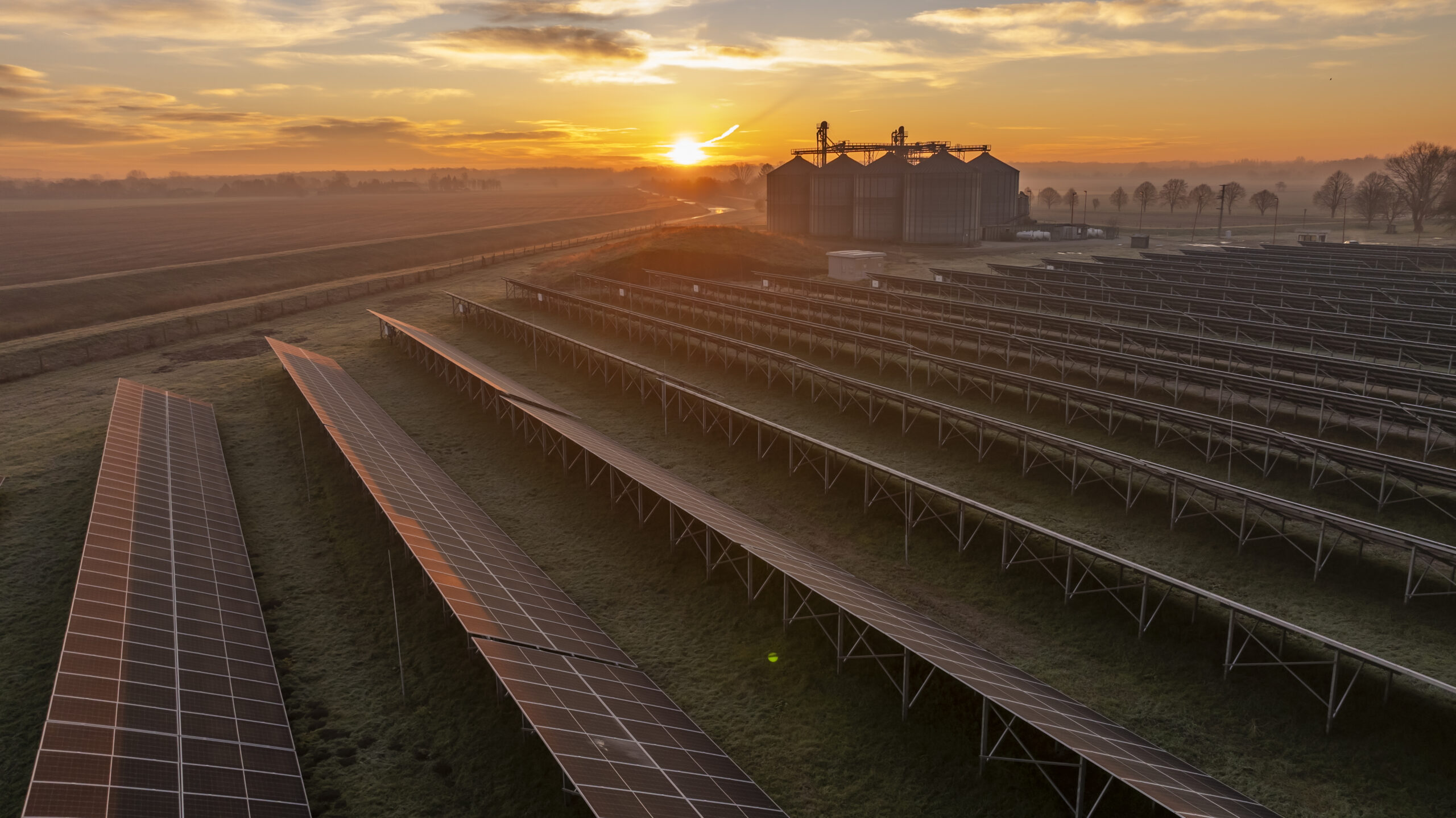
A: Studies show that while solar development on farmland is expanding rapidly, it still occupies only a small percentage of total U.S. farmland. For example, in Arkansas, only about 0.2% of farmland is used for solar projects as of 2024, and even under high-growth scenarios, less than 1% would be covered by solar panels. Nationally, approximately 302,000 acres of farmland were covered by solar panels by the end of 2024, representing about 47% of the total U.S. solar footprint. This demonstrates that farmland conversion to solar remains limited compared to total agricultural acreage.
Q: Does installing solar panels on farmland affect crop production?
A: Research shows that solar farms on agricultural land have minimal impact on overall food or crop production. Many projects use agrivoltaics, which combine solar energy generation with farming, like grazing livestock or growing shade-tolerant crops under panels. One variation, sometimes called cattlevoltaics, uses cattle to manage vegetation between and around solar arrays, providing shade for livestock while maintaining land productivity. Some projects even use floating solar systems above irrigation reservoirs, allowing continued agricultural use while producing electricity.
Q: What are the main challenges and benefits of agrivoltaics?
A: Agrivoltaics, or dual-use solar farming, allows land to serve both energy production and agriculture.
This model increases land-use efficiency, reduces land-use conflicts and improves public acceptance of solar. However, agrivoltaic systems must be carefully designed to suit local conditions since panel height, light distribution and crop types can all affect productivity and outcomes.
Q: Can farmland be restored after solar panels are removed?
A: Yes. Farmland used for solar farms can often be reclaimed for agriculture after projects are decommissioned. With proper soil restoration and land management, the land can return to productive use for crops or grazing. Post-project reclamation ensures the long-term sustainability of agricultural land.
Q: What is the lifespan of solar panels and what happens at the end of their life?
A: Solar panels typically last 25 to 35 years. At the end of their life, options include reuse, refurbishment, repowering (replacing components to extend life) or full decommissioning (removal and land restoration).
Q: What are the economic impacts of solar farm leases for farmers and landowners?
A: Solar land leases can provide significantly higher income than traditional crop or pasture leases, giving landowners a reliable, long-term revenue stream. While this additional income can strengthen rural financial stability, it also requires thoughtful management of local agricultural land markets.
Q: How does solar energy development affect rural communities and farmland values?
A: Rural communities often benefit from solar farm projects through lease payments, local tax revenue and job creation. However, solar expansion can also raise farmland values and rental costs, affecting farmers who rent land. Balancing community growth with agricultural affordability is key to maintaining rural economic resilience as solar energy expands.
Q: Are there legal protections for solar farms on agricultural land?
A: Most existing Right-to-Farm laws were written for traditional agriculture and do not clearly cover solar energy projects. While some states include language that could offer protection, no state currently provides explicit legal safeguards for solar farms against nuisance lawsuits.
Q: How do government policies affect solar development on farmland?
A: Government policies play a major role in shaping solar development on farmland. Federal and state programs can both encourage and limit projects, depending on how they balance energy goals with farmland preservation. Incentives like tax credits and grant programs have supported solar growth in many areas, while other policies restrict development on highly productive agricultural land. For landowners, these shifting regulations can affect leasing opportunities, project feasibility, and long-term land use decisions.
REFA delivers fact-based, non-biased information about renewable energy from other farmers. Get access to resources and a network of experienced landowners by joining REFA today.