How large-scale wind projects benefit landowners while protecting their land and legacy
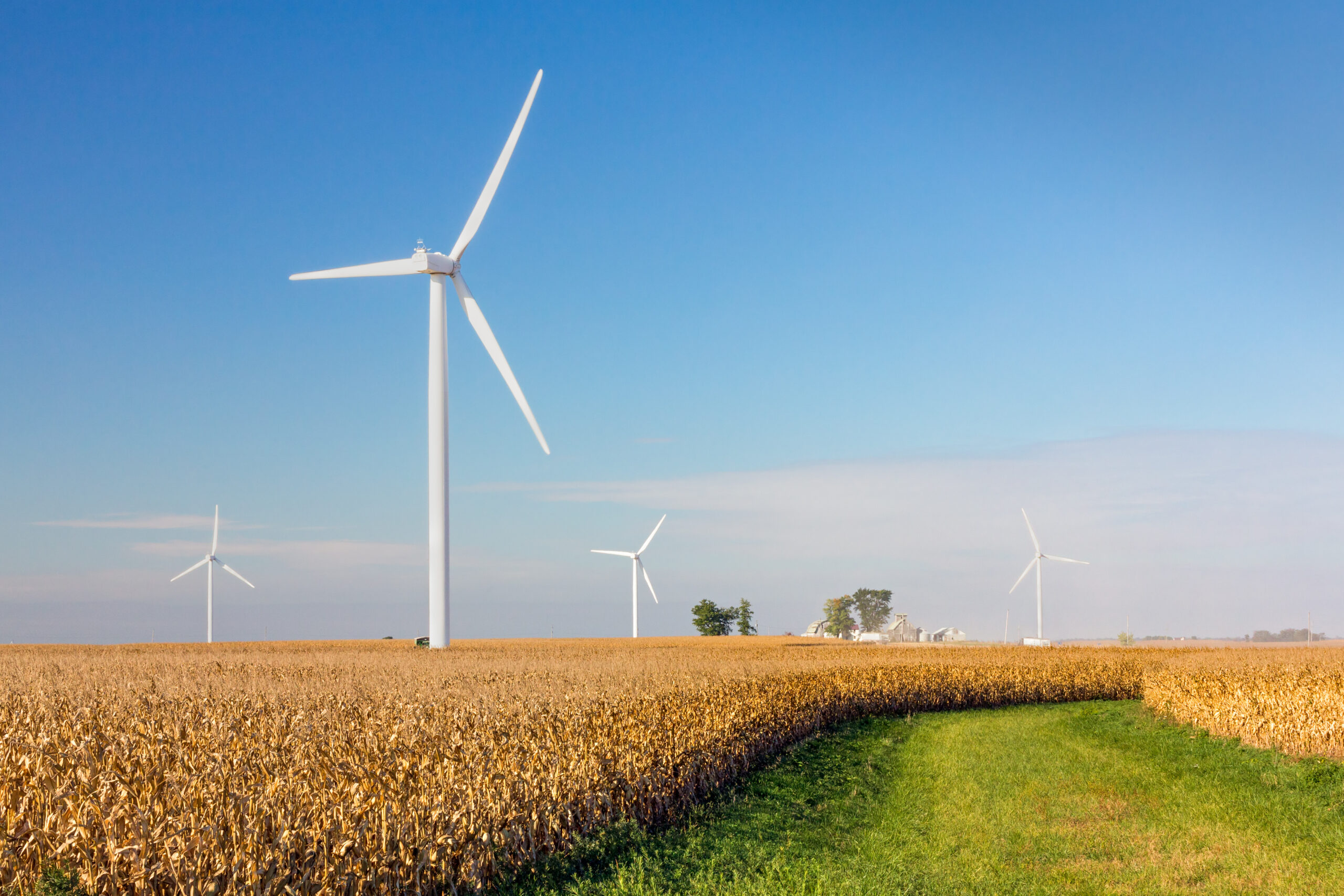
Across the country, the number of large-scale wind farms has grown steadily since the late 20th century. For many farmers and ranchers, hosting turbines can offer a dependable way to generate new income while continuing to grow crops or run livestock on their land. These projects can also bring broad benefits to surrounding communities including job creation, economic development and increased property tax revenues.
Whether you are already hosting wind turbines on your land, considering a developer’s lease or just curious about wind energy, it is important to understand how it works and what it could mean for your operation.
What is Wind Energy?
Wind energy is a form of renewable power generated by converting the kinetic energy of wind into electricity using wind turbines. The turbines capture this energy through their blades, which spin a rotor connected to a generator. When multiple high-capacity turbines are grouped together, they form a wind farm that generates significant amounts of clean, renewable power that feeds into the electricity grid and supports energy reliability.
Benefits of Wind Energy
Large-scale wind projects provide more than an additional revenue stream for landowners. They offer a range of benefits to rural communities, local economies and the broader energy system:
- Economic growth and investment: Wind energy brings billions of dollars in public and private investment to rural areas, which supports local businesses and infrastructure projects such as roads, schools and urban renewal projects.
- Job creation: The industry supports high-skill, high-wage jobs across the supply chain, including construction, operations, maintenance and manufacturing.
- Energy resilience and grid stability: Wind helps stabilize energy prices and strengthens the grid during extreme weather events, contributing to energy resilience.
- Tax revenue and local funding: Wind farms generate significant property tax revenues that support schools, emergency services and road maintenance, without increasing local tax burdens.
- Cost-effectiveness: With no fuel costs, wind energy is one of the most affordable sources of new electricity and helps reduce wholesale energy prices.
The Future of Wind Energy
The outlook for large-scale wind energy is steady and promising. At the same time, older wind farms are entering a phase known as “repowering,” where aging turbines can be replaced with newer, more efficient models. Repowering extends the life of existing wind projects and increases energy output while reducing the number of turbines needed by up to 50%. These advancements are helping landowners and developers build projects that are more productive, more efficient and less land intensive.
How REFA Can Help
Whether you are considering a wind energy project or already hosting one, REWhether you are already hosting a wind energy project or negotiating a lease with a developer, REFA offers trusted tools, support and advocacy to protect your rights and your operation.
Members have access to:
- Expert guidance from professionals in lease review, tax and legacy planning.
- Peer-to-peer learning with landowners who have gone through the process.
- Community support and a digital member network.
- Policy advocacy that defends landowner rights at the local, state and national levels.
REFA is here to help you evaluate the opportunity on your terms while protecting your land, your livelihood and your legacy.
Interested in joining?
Learn more about REFA membership and how to get involved here.